Dysphagia
Dysphagia
References
- Dysphagia: Evaluation and Collaborative Management — American Family Physician (Wilkinson JM, Codipilly DC, Wilfahrt RP). Am Fam Physician 2021;103(2):97-106
- Clinical Practice Guidelines for the Assessment of Uninvestigated Esophageal Dysphagia — Journal of the Canadian Association of Gastroenterology (Liu LWC, Andrews CN, Armstrong D, et al.). J Can Assoc Gastroenterol 2018;1(1):5-19
- SAC Position Statement: The Role of Speech-Language Pathologists in Dysphagia — Speech-Language and Audiology Canada. SAC Position Statement, March 2017
- Dysphagia after stroke and its management — CMAJ (Martino R, Martin RE, Black S). CMAJ 2012;184(10):1127-1128
- Swallowing difficulties in Parkinson's — Parkinson Canada. Parkinson Canada Fact Sheet, 2025
- Recommendations for the Diagnosis and Management of Eosinophilic Esophagitis in Adults and Children in Canada: A Delphi Consensus Project — Journal of the Canadian Association of Gastroenterology (Avinashi V, Gupta M, Payne BA, et al.). J Can Assoc Gastroenterol 2025;8(6):207-227
- ASGE Guideline on the Management of Achalasia — Gastrointestinal Endoscopy, ASGE Standards of Practice Committee (Khashab MA, Vela MF, Thosani N, et al.). Gastrointest Endosc 2020;91(2):213-227
- Drug-Induced Esophagitis — StatPearls, StatPearls Publishing (Saleem F, Sharma A). StatPearls, updated June 2023
- Swallowing (Dysphagia), Nutrition and Oral Care — Canadian Stroke Best Practice Recommendations, Heart and Stroke Foundation of Canada. Canadian Stroke Best Practices, 2025 update
- The Toronto Bedside Swallowing Screening Test (TOR-BSST): Development and Validation of a Dysphagia Screening Tool for Patients With Stroke — Stroke (Martino R, Silver F, Teasell R, et al.). Stroke 2009;40(2):555-561
- Avoid the Crush: Hazards of Medication Administration in Patients With Dysphagia or a Feeding Tube — CMAJ (Cornish P). CMAJ 2005;172(7):871-872
- IDDSI Framework — International Dysphagia Diet Standardisation Initiative. IDDSI Framework Overview, accessed 2026
Clinical Snapshot
Dysphagia is difficulty swallowing — either a subjective sensation that food, liquid, or saliva is not moving normally from the mouth to the stomach, or an objectively demonstrable problem with any part of that process. It is not itself a diagnosis; it is a symptom that always points to an underlying anatomic, neurologic, motility, or medication-related problem and always deserves an explanation rather than being accepted as an inevitable part of aging.[1]
Dysphagia is classified by where the problem occurs. Oropharyngeal dysphagia arises in the mouth and throat and typically presents with difficulty initiating a swallow, coughing or choking during or immediately after swallowing, drooling, a wet or gurgly voice change, repeated swallows needed to clear a mouthful, or nasal regurgitation of food or liquid.[1][2] Esophageal dysphagia arises after the swallow has already been triggered and typically presents as a sensation of food sticking or getting stuck — usually described as retrosternal — several seconds after swallowing; solid food is affected before liquids in most structural causes, while both solids and liquids are affected from the outset in most motility disorders.[1][2] Symptom localization by itself is an unreliable way to make this distinction — a patient who points to the throat or sternal notch may still have a problem lower down in the esophagus — so a careful history of timing and triggers matters more than where the patient points.[2]
Speech-Language and Audiology Canada holds that speech-language pathologists take the primary role in evaluating and treating dysphagia of the oral, pharyngeal, and upper esophageal regions, working collaboratively across a patient's lifespan given how directly dysphagia affects health, nutrition, and quality of life.[3] But dysphagia care is never a single-discipline problem, and pharmacists sit squarely inside it: patients with dysphagia are disproportionately dependent on oral medications, and every prescription written for them carries a second, often-overlooked question — can this particular formulation actually be swallowed safely by this particular patient? Getting that question wrong is not a minor inconvenience; it can dose-dump an extended-release opioid, destroy a delayed-release drug's protection, or send a poorly administered medication straight into the airway.
Two presentations always change the plan from routine outpatient workup to urgent action: progressive dysphagia with unintentional weight loss, which should be treated as a possible esophageal or head-and-neck malignancy until proven otherwise, and acute-onset dysphagia accompanied by any new neurologic sign (slurred speech, facial droop, limb weakness, diplopia), which should be treated as a possible acute stroke. Both need urgent referral — see Red Flags & Referral.
Recognize the Condition
How common this actually is
Dysphagia is far more common than its reputation as "just part of getting older" suggests. It affects an estimated 55% of patients hospitalized with acute stroke, is expected to develop in nearly everyone with Parkinson's disease at some point in the disease course, and increases substantially with age and frailty.[4][5] In Canada, an estimated 21,000 elderly patients develop new dysphagia after stroke every year.[4]
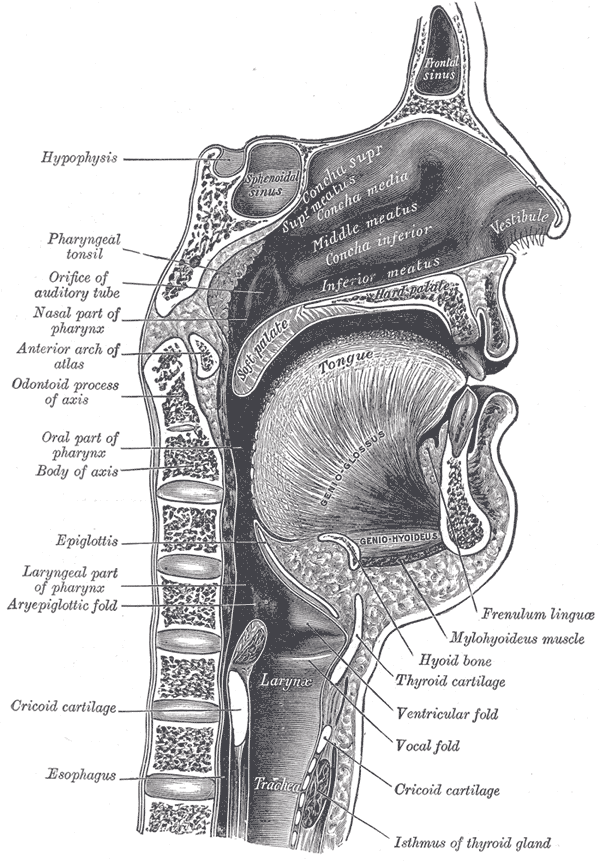
Oropharyngeal dysphagia
Look for difficulty initiating a swallow, coughing or choking during or right after swallowing, a wet or "gurgly" voice quality after swallowing, drooling, needing multiple swallows to clear a single mouthful, and nasal regurgitation of food or liquid.[1] These findings reflect impaired coordination or strength in the oral and pharyngeal phases of swallowing and put the patient at direct risk of aspiration — inhaling food, liquid, or secretions into the airway.[3]
Esophageal dysphagia
Look for a sensation of food sticking or getting stuck several seconds after the swallow is initiated, usually localized retrosternally.[1][2] A genuinely useful, though imperfect, teaching pattern: dysphagia for solids only that progresses over weeks to months points toward a structural narrowing (stricture, ring, tumour); dysphagia for solids and liquids together, present from the outset, points toward a motility disorder (achalasia, diffuse esophageal spasm, scleroderma-related hypomotility).[2]
Aspiration pneumonia — the central downstream risk
Aspiration pneumonia is the consequence that ties nutrition, hydration, and medication administration together in dysphagia care. After stroke, dysphagia carries a 3-fold increased risk of aspiration pneumonia, rising to an 11-fold increased risk in patients with aspiration confirmed on videofluoroscopy — and silent aspiration, with no visible cough or choking at all, occurs in up to two-thirds of post-stroke patients with dysphagia.[4] This is exactly why "the patient didn't cough" is not reassurance that a swallow, or a medication given orally, was actually safe.
Risk Factors
Neurologic causes (the leading cause of oropharyngeal dysphagia)
- Stroke — the single most common cause of oropharyngeal dysphagia, affecting an estimated 55% of patients with acute stroke.[4]
- Parkinson's disease — swallowing changes can occur at any point in the disease course and tend to increase as the disease progresses; aspiration pneumonia is the leading cause of death in Parkinson's disease.[5]
- Amyotrophic lateral sclerosis (ALS) and other motor neuron disease — progressive bulbar weakness produces a predictable decline in swallowing safety over the disease course.
- Dementia (Alzheimer's, vascular, and other subtypes) — cognitive impairment and the motor aspects of swallowing are both affected; co-occurring language or cognitive impairment further increases aspiration risk.[3]
- Multiple sclerosis, myasthenia gravis, and other neuromuscular disease affecting bulbar muscles.
- Traumatic brain injury, and surgery or radiation therapy for head and neck cancer.
Structural causes (typically solids-predominant, progressive)
- Esophageal stricture — peptic (from chronic reflux), radiation-induced, or caustic.
- Esophageal rings and webs (for example, a Schatzki ring).
- Esophageal or head-and-neck malignancy — always part of the differential for progressive dysphagia with weight loss.
- Zenker diverticulum — an outpouching between the thyropharyngeus and cricopharyngeus muscles from incomplete upper esophageal sphincter opening, presenting with dysphagia, regurgitation of undigested food, and halitosis.
- Eosinophilic esophagitis (EoE) — eosinophilic mucosal infiltration causing luminal narrowing, wall stiffness, and fibrosis; food impaction is a common presentation, and patients often develop unconscious adaptive behaviours — cutting food into small pieces, excessive chewing, prolonged mealtimes, avoiding hard textures, and turning away tablets or pills — long before they volunteer "dysphagia" as a symptom.[6]

Motility disorders (solids and liquids together, from the outset)
- Achalasia — failure of lower esophageal sphincter relaxation with loss of organized peristalsis; presents with dysphagia for solids and liquids in roughly 90% of patients, regurgitation in about 75%, weight loss in about 60%, chest pain in about 50%, and heartburn in about 40%.[7]
- Diffuse esophageal spasm and other spastic motility disorders.
- Systemic sclerosis (scleroderma) — smooth muscle atrophy and fibrosis produce progressive esophageal hypomotility.
Medication-related causes — genuinely pharmacist territory
- Anticholinergic drugs (oxybutynin, diphenhydramine, tricyclic antidepressants, benztropine, and others) reduce salivary flow; the resulting dry mouth impairs bolus formation and lubrication and can meaningfully worsen an existing swallowing problem.
- Sedating drugs (benzodiazepines, opioids, sedating antihistamines) blunt the cough and gag reflex and reduce the alertness needed to swallow safely, increasing aspiration risk independent of any structural or neurologic cause.
- Dopamine-antagonist drugs (metoclopramide, and some antipsychotics) can cause extrapyramidal symptoms that directly worsen swallowing coordination — a particular hazard when a patient's dysphagia already has a parkinsonian cause.
- Doxycycline and other tetracyclines, bisphosphonates (alendronic acid, risedronate), NSAIDs, potassium chloride, and iron salts are the medications most often implicated in pill-induced esophagitis, which can itself produce odynophagia and a new sensation of dysphagia — see Choose Initial Treatment and Drug Tables.[8]
Age and frailty
- Presbyphagia — the age-related decline in swallowing muscle mass, strength, and reserve — lowers the threshold at which any additional insult (illness, sedation, a new medication) tips a previously safe swallow into an unsafe one.
- Frailty and polypharmacy are each independently associated with dysphagia, and the two compound each other.
- Poor dentition or edentulism impairs the oral preparatory phase directly.
Red Flags & Refer
Any of the following changes the plan from routine assessment to urgent escalation:
- Progressive dysphagia with unintentional weight loss, particularly with bleeding, recurrent vomiting, or pain on swallowing (odynophagia) — treat as a possible esophageal or head-and-neck malignancy until proven otherwise and refer for prompt endoscopy; these are the alarm features that skip any empiric trial and go straight to investigation.[2]
- Acute-onset dysphagia with any new neurologic sign — slurred speech, facial droop, limb weakness, sudden severe headache, diplopia — treat as a possible acute stroke and activate emergency care immediately; do not offer oral intake, including oral medications, until a swallow screen has been completed.[4][9]
- Witnessed coughing, choking, or a wet/gurgly voice change during an attempted swallow — stop oral intake immediately and arrange a formal swallow assessment before resuming.[9]
- Complete inability to manage oral secretions, audible stridor, or drooling with a silent chest — this signals an airway emergency, not a routine dysphagia referral.
- Recurrent aspiration pneumonia in a patient whose dysphagia plan is presumed to be working — this means the plan needs to be reassessed, not simply repeated.
- A patient on regular oral medication who develops new or worsening difficulty swallowing tablets or capsules — this needs a formulation review before anyone simply starts crushing everything on the list; see Choose Initial Treatment.
A brief, non-progressive sensation of a lump in the throat unrelated to swallowing (globus) is not true dysphagia and, in the absence of alarm features, does not by itself warrant an endoscopic workup.[2]
Assessment & Diagnosis
History: the single most useful diagnostic tool
Establish onset (acute versus progressive), what specifically triggers symptoms (solids only versus solids and liquids together, from the outset or delayed), and associated features — coughing, choking, or nasal regurgitation point oropharyngeal; heartburn, regurgitation, or chest pain point esophageal.[1][2] Screen specifically for the alarm features that change the pathway directly to endoscopy — age 50 or older, gastrointestinal bleeding, unintentional weight loss, recurrent vomiting, and odynophagia.[2] A complete medication history and a genuine medication review are not an afterthought here; they are diagnostic, since a new anticholinergic, sedative, or dopamine-antagonist drug can be the reason dysphagia appeared or worsened in the first place.
Bedside swallow screening — before any oral intake, including medications
A validated bedside swallow screen should be completed before any oral intake — food, liquid, or medication — particularly after acute stroke, and can be performed by any appropriately trained healthcare professional, not only a speech-language pathologist.[9] The Toronto Bedside Swallowing Screening Test (TOR-BSST), developed and validated in Canadian stroke patients, takes under 10 minutes to administer and correctly identified dysphagia with a sensitivity of 91.3% and a negative predictive value of 93.3% in acute care in its validation study.[10] Dysphagia screening itself, not just downstream management, measurably reduces the odds of pneumonia.[9] Anyone who fails a bedside screen needs referral to a trained dysphagia professional — typically a speech-language pathologist — for a comprehensive assessment before oral intake resumes.[9]
Instrumental assessment
The videofluoroscopic swallowing study (VFSS), also called the modified barium swallow study, is the reference-standard instrumental test for oropharyngeal dysphagia: it provides a real-time, dynamic radiographic view of the oral, pharyngeal, and upper esophageal phases of swallowing across different food and liquid textures, and can identify the presence, timing, and cause of aspiration — including silent aspiration that a bedside screen alone would miss.[4] Fibreoptic endoscopic evaluation of swallowing (FEES) is a complementary instrumental option that avoids radiation exposure. Both are ordered and interpreted in collaboration with speech-language pathology, not independently by the referring prescriber.
The esophageal dysphagia diagnostic pathway
For esophageal dysphagia specifically, the Canadian Association of Gastroenterology recommends a staged approach.[2] In a patient younger than 50 with reflux-type symptoms and no alarm features, a 4-week empiric proton pump inhibitor trial is reasonable, with further testing recommended if dysphagia does not fully resolve — the trial is not meant to be extended or repeated indefinitely.[2] Everyone else — anyone with an alarm feature, age 50 or older, or dysphagia that does not fully resolve on an empiric trial — should proceed to endoscopy as the initial test, since it offers the highest diagnostic yield for structural and inflammatory causes.[2] Esophageal biopsy is recommended at that same endoscopy in essentially every patient, even without visible erosive esophagitis, specifically to avoid missing eosinophilic esophagitis.[2] If endoscopy and biopsy do not explain the dysphagia, esophageal manometry — ideally high-resolution manometry — is the next step to evaluate for a motility disorder such as achalasia.[2] A barium esophagram is a reasonable substitute when endoscopy access is limited locally, to assess for a significant structural lesion and support timely referral.[2]
Treatment Targets
- Confirm dysphagia is present, classify it as oropharyngeal or esophageal, and identify the underlying cause — dysphagia is a symptom, not a final diagnosis.
- Protect the airway and prevent aspiration pneumonia — the consequence that ties every other goal in this list together.
- Maintain adequate nutrition and hydration through a route and texture that is genuinely safe for this specific patient.
- Treat or manage the underlying cause where one is treatable (reflux, eosinophilic esophagitis, a stricture, achalasia).
- Make certain every medication this patient takes can genuinely be swallowed safely — reviewing formulation appropriateness is not a peripheral add-on to dysphagia care, it is one of its core, ongoing tasks.
- Avoid the opposite failure mode too: do not withhold or omit clinically important medications (analgesics, antiepileptics, cardiac drugs) out of an overcautious "nothing by mouth" reflex when a safe route of administration is achievable.
- Preserve dignity, comfort, and quality of life around eating and drinking, not just physiological safety.
- Educate the patient, family, and caregivers on safe swallowing technique and safe medication administration technique together, as one conversation rather than two.
Choose Initial Treatment
Before crushing anything, ask three questions
First, is there already a safer built-in alternative — a liquid, an orally-disintegrating tablet, or a patch? Second, is this formulation extended, sustained, or controlled-release, enteric-coated, or sublingual/buccal — in which case it must never be crushed, split, or chewed at all? Third, if crushing genuinely is appropriate and necessary, has it been checked against a reliable source and, where required, authorized by the prescriber or pharmacist? Answering these three questions, in this order, before touching a pill crusher is the single most important habit in safe medication administration for dysphagia.[11]
Why some formulations must never be crushed, split, or chewed
Extended, sustained, or controlled-release these formulations are engineered — through a matrix, membrane, or osmotic-pump mechanism — to release drug gradually over many hours. Crushing destroys that mechanism and releases the entire intended multi-hour dose at once. A real Canadian case example: a sustained-release oxycodone tablet, designed to deliver its dose over 12 hours, was crushed for administration — the patient absorbed the full 12-hour dose immediately and developed sedation and respiratory depression.[11] The same dose-dumping risk applies to any extended-release opioid, cardiac drug, or antidepressant.
Enteric-coated the coating exists either to protect the drug from being inactivated by stomach acid, or to protect the stomach lining from the drug itself. Crushing an enteric-coated tablet — for example, a proton pump inhibitor formulated for acid protection — destroys the coating and can inactivate the drug before it is absorbed.[11] Some enteric-coated products are capsules containing coated granules or pellets rather than a coated tablet; the capsule shell itself may be labelled to be opened, with the granules sprinkled — never chewed or crushed — onto a small amount of soft, acidic food, but this is a specific, product-labelled exception, not a general licence to crush any enteric-coated product. Confirm the exact technique against the product monograph or the pharmacist, every time.
Sublingual or buccal these tablets are designed to dissolve against the oral mucosa for rapid absorption directly into the bloodstream, bypassing first-pass hepatic metabolism entirely. Crushing a sublingual tablet and having the patient swallow it — rather than letting it dissolve under the tongue — sends the drug through an entirely different pharmacokinetic pathway and can blunt or delay the fast onset the formulation exists to provide, for example with sublingual nitroglycerin during angina.
Safer alternatives to reach for before crushing anything
Built-in alternative formulations
Liquid / oral solution
A genuine solution, not just a suspension of crushed tablets, avoids formulation-destruction problems entirely. Confirm the labelled concentration carefully against the tablet dose being replaced — this matters most for narrow-therapeutic-index drugs such as levetiracetam or phenytoin, where a conversion error has real consequences.
Orally-disintegrating tablet (ODT)
Dissolves on the tongue without water, making it genuinely useful for a patient who struggles with a standard tablet and a glass of water but can still manage secretions safely — donepezil, mirtazapine, and ondansetron are all commonly available this way.
Transdermal patch
Bypasses swallowing altogether. Rivastigmine and rotigotine patches are particularly valuable choices once dysphagia is established in dementia or Parkinson's disease, since the underlying disease is also the reason swallowing will likely keep getting harder over time — switching before a crisis, not after, is the better sequence. A fentanyl or buprenorphine patch already bypasses swallowing for a patient on stable opioid therapy, but the patch itself must never be cut, cracked, or otherwise damaged to try to adjust the dose — that is a distinct and serious overdose hazard, separate from oral tablet-crushing errors.
Thickened liquids and the IDDSI framework — liquid medications are not automatically safe
Many patients with oropharyngeal dysphagia are prescribed thickened fluids under the International Dysphagia Diet Standardisation Initiative (IDDSI) framework — a globally adopted, standardized 8-level continuum (Levels 0-4 describing drink thickness, Levels 3-7 describing food texture) used to make sure everyone on the care team, and the patient's own kitchen or pharmacy, means exactly the same thing by "thin," "nectar-thick," or "pudding-thick."[12] The clinician's own comprehensive assessment — not a generic label — determines which specific level is safe for an individual patient, and altering the framework's own definitions is specifically discouraged because it reintroduces the confusion IDDSI exists to remove.[12]
The genuinely easy-to-miss pharmacist point: a liquid medication is not automatically "dysphagia-safe" just because it is not a tablet. If a patient is prescribed thickened fluids at a specific IDDSI level, their oral liquid medications need to match that same level of thickness — an unmodified thin oral solution or suspension can be aspirated exactly like an unmodified glass of water. Confirm with the speech-language pathologist or dietitian before assuming a liquid formulation solves the problem on its own, and be aware that thickening a liquid drug product yourself, off-label, can change its bioavailability — this is a decision made with the full team, not unilaterally at the bedside.
Preventing pill-induced esophagitis in patients who can safely swallow tablets
For patients whose swallow is otherwise safe for solids, counsel specifically on the medications most often implicated in pill-induced esophagitis — doxycycline and other tetracyclines, bisphosphonates, NSAIDs, potassium chloride, and iron salts.[8] Take these with a full glass of water (at least 200 to 250 mL) while upright, avoid lying down for at least 30 minutes afterward, and — for oral bisphosphonates specifically — remain upright until the first food or drink of the day.[8] Insufficient water and a recumbent position are the two behavioural risk factors that show up again and again in pill-induced esophagitis.[8]
When crushing genuinely is appropriate
For a true immediate-release, non-enteric-coated tablet, or a capsule whose contents are not coated pellets, crushing can be reasonable once the questions above have been answered — but technique still matters. Crush to a fine, lump-free powder; mix with a small amount of an appropriate texture (matched to the patient's own dysphagia plan, not just whatever is on hand); and give one medication at a time rather than batching several crushed drugs into a single spoonful, since batching increases the risk of residue being left behind, of an interaction in the mixing vehicle, and of an inaccurate total dose actually reaching the patient.[11] In real practice, a meaningful share of medications that end up being crushed or opened at the bedside were never actually authorized by a prescriber or pharmacist, and the crushing itself is frequently avoidable simply by switching to a more suitable existing formulation — the fix is usually a formulation review, not better crushing technique.
Build this into the system, not just into one conversation
The most durable fix is institutional, not a single bedside reminder: maintain an up-to-date, readily accessible list of medications that must not be crushed with their suggested alternatives, and build computerized decision support that flags a prohibited crush or an inappropriate route before the error reaches the patient.[11] The pharmacist is the natural point of contact for exactly this kind of formulation-change decision, and should be looped in proactively whenever a dysphagia diagnosis is documented — not only after a crushing error has already happened.
Non-Pharmacologic Treatment
- Speech-language pathology-directed compensatory strategies — chin tuck, head turn toward the weaker side, effortful swallow, and the supraglottic swallow manoeuvre — can make an otherwise unsafe swallow safe without changing diet or medication at all.
- Upright positioning during meals and medication administration, and for at least 30 minutes afterward, reduces both aspiration risk and pill-induced esophagitis risk.[8]
- Texture-modified diets and thickened liquids, prescribed to a specific IDDSI level by the speech-language pathologist or dietitian, remain a core intervention — but they are not automatically benign: liquids that are less palatable when thickened are consumed less, and under-consumption can itself cause dehydration, so adherence needs to be actively monitored, not assumed.[12]
- Swallowing rehabilitation exercises, directed by speech-language pathology, can genuinely strengthen and restore function over time in appropriate candidates, rather than only compensating around a fixed deficit.
- Meticulous oral care and dental hygiene reduce the bacterial load of any material that is aspirated, lowering pneumonia risk even in a patient whose aspiration itself cannot be fully eliminated.[9]
- Encourage self-feeding wherever the patient is able, rather than defaulting to being fed — self-feeding is specifically associated with a reduced risk of aspiration pneumonia.[9]
- Dietitian involvement for ongoing nutritional adequacy is essential alongside — not instead of — swallowing safety measures.
- Enteral feeding (nasogastric or gastrostomy) is appropriate when oral intake cannot be made safe or sufficient; in ALS specifically, gastrostomy placement is generally recommended once weight loss reaches about 10% of body weight and/or before forced vital capacity falls below 50% of predicted, and the conversation should start well before either threshold is reached, not after a crisis.
- Deprescribing is itself a non-pharmacologic intervention here: reviewing the medication list for anticholinergic burden, unnecessary sedatives, and dopamine-antagonist drugs that worsen swallowing is as much a part of dysphagia management as any swallowing exercise.
- Use a genuinely multidisciplinary team — speech-language pathology, dietitian, pharmacist, physician, and nursing — and treat medication administration safety as something assessed alongside food and fluid safety from the start, not bolted on afterward.[3]
Pharmacologic Treatment Options
| Drug / intervention | Role | Dose / use | Important adverse effects | Teaching points |
|---|---|---|---|---|
| Omeprazole Preferred | Empiric therapy — esophageal dysphagia with reflux symptoms, age under 50, no alarm features | 20 mg PO once daily, 4-week empiric trial | GI upset; long-term risk of fracture, C. difficile infection, B12 deficiency | If dysphagia hasn't fully resolved after 4 weeks, move to endoscopy rather than repeating or extending the trial |
| Budesonide (Oral) Special situation | Eosinophilic-esophagitis-confirmed dysphagia, maintenance therapy | 1 mg twice daily as a swallowed slurry for induction; 0.5 mg twice daily for maintenance | Oral candidiasis, dysphonia; rare adrenal suppression | Swallowed, not inhaled — mix into a slurry vehicle and avoid food/drink for 30 minutes afterward |
| Isosorbide dinitrate Alternative | Achalasia — bridge or palliative pharmacotherapy only | Sublingual, shortly before meals | Headache, hypotension, flushing | Modest, short-lived effect — reserved for patients unfit for pneumatic dilation, POEM, or Heller myotomy |
| Onabotulinumtoxina Alternative | Achalasia in patients unfit for, or awaiting, definitive therapy | Endoscopic intrasphincteric injection, may be repeated | Transient chest pain; rare mediastinitis or allergic reaction | About 77% clinical success at 1 to 6 months, but durability is genuinely limited |
| Metoclopramide Avoid | Any patient with Parkinson's-related or other parkinsonian dysphagia | Not recommended in this population | Extrapyramidal symptoms, tardive dyskinesia with prolonged use | Dopamine-antagonist action can directly worsen the underlying swallowing coordination problem |
| Rivastigmine (patch) Preferred | Cholinesterase-inhibitor therapy once dysphagia is established in dementia | Transdermal patch, applied once daily, rotate sites | Application-site skin reactions, nausea | Bypasses swallowing entirely — a preferred option, not just a fallback, once dysphagia is established |
| Fentanyl (patch) Special situation | Stable opioid therapy in a patient who cannot swallow tablets safely | Transdermal patch per the product monograph | Respiratory depression, sedation; life-threatening overdose risk if the patch is damaged | Never cut, crack, or otherwise damage the patch to adjust the dose |
| Nifedipine (extended-release) Avoid | Teaching example — an extended-release product that must never be crushed | Do not crush or split | Severe, rapid hypotension if crushed and the full dose is released at once | A stand-in for the entire extended/sustained/controlled-release category — always verify formulation before crushing anything |
| Acetylsalicylic acid (enteric-coated) Avoid | Teaching example — an enteric-coated product that must never be crushed | Do not crush or chew | GI bleeding/ulceration if the coating is destroyed; increased pill-esophagitis risk | The coating protects the stomach from the drug and the drug from the stomach acid — both purposes are lost if it's crushed |
Special Populations
Post-stroke dysphagia
Screen every stroke patient for swallowing impairment before any oral intake — food, liquid, or medication — ideally using a validated tool such as the TOR-BSST, which takes under 10 minutes and was developed and validated specifically in Canadian stroke patients.[10][9] Dysphagia affects an estimated 55% of patients with acute stroke, carries a 3-fold increased risk of aspiration pneumonia (11-fold with confirmed aspiration on videofluoroscopy), and up to two-thirds of affected patients aspirate silently, without any visible cough or choking.[4] Refer anyone who fails the screen to speech-language pathology for a comprehensive assessment before oral intake resumes.[9]
Parkinson's disease
Nearly everyone with Parkinson's disease develops some degree of swallowing difficulty at some point in the disease course, and aspiration pneumonia is the leading cause of death in Parkinson's disease.[5] Avoid or use extreme caution with dopamine-antagonist drugs — metoclopramide and some antipsychotics — since these can produce extrapyramidal symptoms that directly worsen the same swallowing coordination problem being managed; anticholinergic drugs used for tremor (for example, benztropine) independently worsen dry mouth and can compound dysphagia at the same time. As swallowing changes progress, discuss switching maintenance medications to a transdermal option (such as a rotigotine patch) proactively, before a crisis forces the decision.
Amyotrophic lateral sclerosis and other progressive neuromuscular disease
Dysphagia here is predictably progressive. Involve speech-language pathology and dietitian input early, well before a swallowing crisis. Gastrostomy is generally recommended once weight loss reaches roughly 10% of body weight and/or before forced vital capacity falls below 50% of predicted, and the conversation about it should start before either threshold is reached.
Dementia
Aspiration risk is high, and co-occurring language and cognitive impairment further increase it.[3] Every medication review is also an opportunity to reduce overall pill burden and anticholinergic load, both of which independently worsen dysphagia. Decisions about comfort-focused feeding versus continued or enteral feeding at an advanced stage are individualized, values-based, and made with the patient's substitute decision-maker and full care team — not a default determined by dysphagia severity alone.
Eosinophilic esophagitis
Confirm on biopsy at endoscopy, which is obtained routinely during the esophageal dysphagia workup even without visible erosive changes.[2] Watch for the adaptive behaviours patients normalize long before naming dysphagia as a symptom: cutting food small, excessive chewing, prolonged mealtimes, avoiding hard textures, and turning away tablets or pills.[6] Swallowed topical corticosteroid therapy (viscous budesonide or swallowed fluticasone) is first-line maintenance treatment once confirmed — see Drug Tables.[6]
Older adults and frailty
Presbyphagia lowers the safety margin before any additional insult — a new sedating drug, an acute illness — tips a previously safe swallow into an unsafe one. Frailty and polypharmacy are each independently associated with dysphagia and compound each other; a proactive medication review specifically for anticholinergic burden, sedative load, unnecessarily large tablets, and genuinely necessary versus discretionary drugs belongs in every comprehensive geriatric assessment.
Renal and hepatic impairment
No dose adjustment is required for proton pump inhibitors or swallowed topical budesonide in renal impairment; use budesonide cautiously in significant hepatic impairment given reduced first-pass clearance. Adjust any analgesic or other maintenance medication in the usual way for the patient's organ function — dysphagia itself does not change those thresholds.
Pediatrics
Pediatric dysphagia — including feeding difficulty in prematurity and pediatric eosinophilic esophagitis — is managed with materially different diagnostic thresholds and a pediatric speech-language pathology and gastroenterology team; this chapter's diagnostic and medication-administration framework is written for adult patients and should not be applied unmodified to children.
Monitoring & Follow-Up
Reassess swallowing status on a schedule that matches the underlying cause rather than only once: status can genuinely improve over days to weeks after an acute stroke, and it predictably declines over time in Parkinson's disease, ALS, and other progressive neurologic disease — a plan that was safe six months ago may not be safe today.[5]
- Track nutritional status and weight trend with the dietitian; unexplained weight loss in a patient already carrying a dysphagia diagnosis still deserves the same scrutiny as new-onset weight loss.
- Monitor hydration adequacy specifically in patients on thickened liquids — reduced palatability can lead to under-consumption and dehydration even when the texture modification itself is working exactly as intended.[12]
- Treat any new episode of aspiration pneumonia as a sentinel event that requires reassessing the entire swallowing and medication-administration plan, not simply treating the pneumonia and resuming the same plan unchanged.
- At every medication review, specifically re-confirm that any crushed, opened, or reformulated medication on the list is still being prepared and given correctly, and that a switch away from an extended-release product has actually been reconciled to an equivalent total daily dose — this is exactly the kind of detail that drifts silently across multiple prescriber and pharmacy handoffs.
- For eosinophilic esophagitis on swallowed topical corticosteroid therapy, follow the same surveillance-biopsy approach used to confirm histologic remission, per gastroenterology.[6]
- For achalasia managed with botulinum toxin injection or pharmacotherapy, remember the effect is genuinely time-limited — reassess symptom control on a defined schedule rather than waiting for the patient to report recurrence.[7]
Treatment Failure / Next Step
- Bedside swallow screen fails, or symptoms persist despite compensatory strategies: escalate to a formal speech-language pathology assessment, with videofluoroscopy or FEES as indicated, rather than continuing empiric texture modification alone.[9]
- Esophageal dysphagia with reflux-type symptoms not fully resolved after a 4-week empiric proton pump inhibitor trial: proceed to endoscopy — do not simply repeat or extend the empiric trial.[2]
- Eosinophilic esophagitis confirmed but dysphagia persists on swallowed topical corticosteroid therapy: reassess adherence and technique first (the slurry vehicle, the required post-dose fasting period) before assuming the drug itself has failed, and involve gastroenterology for dose escalation or biopsy-confirmed reassessment.[6]
- Achalasia treated with pharmacotherapy or botulinum toxin injection with recurrent symptoms: escalate to pneumatic dilation, peroral endoscopic myotomy, or Heller myotomy rather than repeating medical therapy indefinitely — durability of the medical options is genuinely limited, typically months.[7]
- Recurrent aspiration despite texture modification and compensatory strategies that were previously judged adequate: reassess the need for enteral feeding with the full team rather than assuming stricter adherence to the existing plan will fix it.
- A specific medication keeps being crushed or administered unsafely despite counseling: treat this as a medication-list and system problem — a full reconciliation looking for consolidation, alternative-formulation swaps, or deprescribing opportunities — rather than repeating the same instruction to the same caregiver.[11]
- Any new or worsening neurologic sign appearing alongside dysphagia at any point in follow-up: stop, re-screen, and escalate for urgent neurologic assessment rather than assuming it is part of a known, stable diagnosis.
Common Errors to Avoid
- Crushing an extended-release, sustained-release, or osmotic-pump tablet because it seems easier, without checking the formulation first.[11]
- Opening an enteric-coated capsule and crushing the coated granules inside it, destroying the exact protection the coating exists to provide.[11]
- Crushing a sublingual or buccal tablet and having the patient swallow it, rather than letting it dissolve against the oral mucosa as intended.
- Cutting, cracking, or otherwise damaging a fentanyl or buprenorphine patch to try to adjust the dose — a distinct and serious overdose hazard from oral tablet-crushing errors.
- Batching several crushed medications together in a single spoonful "to save time," rather than administering them one at a time.[11]
- Assuming a liquid medication is automatically safe for a patient on thickened fluids without checking or adjusting it to their prescribed IDDSI level.[12]
- Relying on where the patient points, or how they describe the sensation, to reliably distinguish oropharyngeal from esophageal dysphagia — symptom localization is specifically unreliable.[2]
- Treating globus (a persistent throat-lump sensation unrelated to swallowing) as true dysphagia and pursuing an unnecessary endoscopic workup.[2]
- Continuing to offer food, liquid, or oral medication to a post-stroke patient before a validated swallow screen has been completed.[9]
- Reaching for metoclopramide or another dopamine-antagonist drug in a patient with Parkinson's-related or other parkinsonian dysphagia without recognizing the extrapyramidal risk.
- Assuming thickened liquids are automatically risk-free — reduced palatability can cause under-consumption and dehydration even when the texture modification itself is appropriate.[12]
- Attributing progressive dysphagia with weight loss to normal aging rather than pursuing it as a possible malignancy.[2]
Clinical Decision Algorithm
Drug Tables
How to use this table: Doses are adult doses and require patient-specific confirmation (renal/hepatic function, weight, allergy history). Pediatric dosing is weight-based per the current product monograph unless stated. Drug pricing is intentionally omitted. Select any drug name to open its complete Pharmasist Drug Database page.
Formulations That Must Never Be Crushed, Split, or Chewed
Confirm this list against the product monograph or the pharmacist before any dose is administered — this is illustrative, not exhaustive.
| Drug | Dosage | Adverse effects | Drug interactions | Comments |
|---|---|---|---|---|
| Nifedipine | Extended-release: Do not crush or split | Hypotension, headache, peripheral edema, reflex tachycardia | Grapefruit juice increases levels; additive hypotension with other antihypertensives | Extended-release matrix tablet — crushing can release the full dose at once, risking severe, rapid hypotension. |
| Bupropion | Extended-release: Do not crush or split | Seizure risk (dose-related), insomnia, dry mouth | Additive seizure risk with other drugs that lower seizure threshold; CYP2D6 inhibition | One of the few extended-release products where even splitting the tablet in half, not only crushing, meaningfully increases seizure risk from dose-dumping. |
| Tamsulosin | Modified-release: Do not open or crush | Orthostatic hypotension, dizziness, retrograde ejaculation | Additive hypotension with PDE5 inhibitors and other antihypertensives | Modified-release capsule — opening or crushing significantly raises peak concentration and hypotension risk. |
| Omeprazole | Capsule: May be opened; granules must not be crushed or chewed | Headache, GI upset; long-term risk of fracture, C. difficile infection, B12 deficiency | Reduces clopidogrel activation (CYP2C19); reduces absorption of drugs needing an acidic stomach | Capsule contains enteric-coated granules. The capsule may be opened and the granules sprinkled, never chewed or crushed, onto a small amount of soft acidic food per the product monograph; crushing the granules themselves destroys the coating and risks gastric-acid inactivation. |
| Pantoprazole | Delayed-release tablet: Do not crush, split, or chew | Headache, GI upset; long-term risk similar to other proton pump inhibitors | Similar interaction profile to omeprazole | Delayed-release tablet with true enteric coating on the tablet itself — unlike the omeprazole capsule-opening technique, this tablet must not be crushed, split, or chewed at all. |
| Acetylsalicylic acid (enteric-coated) | Enteric-coated: Do not crush or chew | GI bleeding/ulceration, tinnitus at high doses | Additive bleeding risk with anticoagulants and other NSAIDs | Enteric-coated to reduce direct gastric mucosal irritation; crushing removes that protection and increases both bleeding risk and pill-induced esophagitis risk. |
| Nitroglycerin | Sublingual: Must dissolve under the tongue — do not crush and swallow | Headache, hypotension, flushing | Contraindicated with PDE5 inhibitors (severe hypotension) | Designed to dissolve under the tongue for rapid mucosal absorption bypassing first-pass metabolism; crushing and swallowing it instead blunts and delays the fast onset the formulation exists to provide. |
Safer Alternative Formulations to Reach for Before Crushing
Switching to one of these, where clinically appropriate, is usually a better first move than crushing the standard tablet.
| Drug | Dosage | Adverse effects | Drug interactions | Comments |
|---|---|---|---|---|
| Donepezil | Orally-disintegrating tablet: Dissolves on the tongue; no water required | Nausea, diarrhea, insomnia, bradycardia | Additive bradycardia with beta-blockers; caution with other cholinergic drugs | Available as an orally-disintegrating tablet that dissolves on the tongue without water — a straightforward swap from the standard tablet. |
| Mirtazapine | Orally-disintegrating tablet: Dissolves on the tongue | Sedation, increased appetite/weight gain, dry mouth | Avoid with MAOIs; additive sedation with other CNS depressants | Orally-disintegrating formulation available — useful when both mood/appetite support and swallowing safety are being managed together. |
| Ondansetron | Orally-disintegrating tablet: Dissolves on the tongue | Headache, constipation, QT prolongation at higher/repeated doses | Additive QT prolongation with other QT-prolonging drugs | Orally-disintegrating formulation is particularly useful when nausea itself is part of what is limiting safe oral intake. |
| Levetiracetam | Oral solution: Confirm concentration and conversion before administering | Somnolence, irritability, dizziness | Few significant pharmacokinetic interactions | Oral solution available at a labelled concentration — confirm the mL-to-mg conversion carefully; this is a narrow-margin seizure medication where an administration error has real consequences. |
| Furosemide | Oral solution: Confirm concentration before administering | Electrolyte disturbance, dehydration, ototoxicity at high IV doses | Additive nephrotoxicity/ototoxicity with aminoglycosides; reduced effect with NSAIDs | Oral solution available as a straightforward alternative to crushing the tablet. |
| Rivastigmine | Transdermal patch: Apply to clean, dry, hairless skin; rotate sites | Nausea, vomiting, application-site skin reactions (patch) | Additive effect with other cholinergic drugs | Transdermal patch delivers a steady dose over 24 hours and bypasses swallowing entirely — a genuinely preferred option, not just a fallback, once dysphagia is established in dementia. |
| Rotigotine | Transdermal patch: Apply once daily; rotate application sites | Application-site reactions, nausea, orthostatic hypotension, impulse-control symptoms | Additive effect with other dopaminergic drugs; avoid abrupt discontinuation | Transdermal patch for Parkinson's disease — worth discussing before dysphagia becomes severe, since the underlying disease is also the reason swallowing tends to keep getting harder over time. |
| Fentanyl | Transdermal patch: Never cut, cracked, or otherwise altered | Respiratory depression, sedation, constipation; life-threatening overdose risk if the patch is damaged | Additive CNS/respiratory depression with other sedatives; CYP3A4 interactions | Already bypasses swallowing for a patient on stable opioid therapy — but the patch itself must never be cut, cracked, or otherwise damaged to try to adjust the dose; that is a distinct and serious overdose hazard, separate from oral tablet-crushing errors. |
| Buprenorphine | Transdermal patch: Never cut or otherwise altered | Respiratory depression (lower ceiling than full agonists), sedation, application-site reactions | Additive CNS/respiratory depression with other sedatives; partial-agonist interaction with full opioid agonists | Same patch-integrity rule as fentanyl — do not cut or otherwise alter the patch to adjust the dose. |
Medications That Commonly Cause Pill-Induced Esophagitis — Counsel on Water and Positioning
Take with a full glass of water (at least 200 to 250 mL) while upright, and remain upright for at least 30 minutes afterward; insufficient water and lying down soon after are the two behavioural risk factors that show up again and again.
| Drug | Dosage | Adverse effects | Drug interactions | Comments |
|---|---|---|---|---|
| Doxycycline | Adults: Full glass of water; remain upright for at least 30 minutes | Odynophagia/dysphagia if esophageal injury occurs; photosensitivity, GI upset | Chelation with calcium/iron/antacids reduces absorption | The single most frequently implicated antibiotic for pill-induced esophagitis. |
| Alendronic acid | Adults: Upright until first food of the day, minimum 30 minutes | Esophagitis, esophageal ulceration; musculoskeletal pain; rare osteonecrosis of the jaw with long-term use | Calcium, iron, and antacids reduce absorption — separate by at least 30 minutes | Take on an empty stomach first thing in the morning with a full glass of plain water; remain upright until the first food of the day. |
| Risedronate | Adults: Upright until first food of the day, minimum 30 minutes | Esophagitis, esophageal ulceration; musculoskeletal pain | Same absorption interactions as alendronic acid | Same administration precautions as alendronic acid — the entire bisphosphonate class carries this risk. |
| Ibuprofen | Adults: Take with food and water; stay upright afterward | GI ulceration/bleeding, renal impairment, fluid retention | Additive bleeding risk with anticoagulants; reduces effect of antihypertensives/diuretics | NSAIDs impair the prostaglandin-mediated mucosal protective barrier; take with food and water, and avoid lying down immediately afterward. |
| Naproxen | Adults: Take with food and water; stay upright afterward | GI ulceration/bleeding, renal impairment | Same interaction profile as ibuprofen | Same precautions as ibuprofen. |
| Potassium Chloride, Oral | Adults: Full glass of water; remain upright afterward | GI upset, esophageal ulceration if retained; hyperkalemia in excess or renal impairment | Additive hyperkalemia with ACE inhibitors, ARBs, and potassium-sparing diuretics | Hyperosmotic and directly caustic to esophageal mucosa if it lodges in transit — the original drug class in which pill-induced esophagitis was first described. |
| Ferrous Sulfate | Adults: Full glass of water; remain upright afterward | Constipation, dark stools, GI upset; esophageal ulceration if retained | Reduces absorption of levothyroxine, tetracyclines, and some fluoroquinolones if co-administered | Similarly caustic if retained in the esophagus — the same water and positioning precautions apply. |
Pharmacologic Management of Underlying or Contributing Causes
Treats the cause behind the dysphagia, not the swallowing mechanics themselves — always paired with the swallowing-safety and formulation measures above.
| Drug | Dosage | Adverse effects | Drug interactions | Comments |
|---|---|---|---|---|
| Omeprazole | Empiric trial: 20 mg once daily for 4 weeks | GI upset; long-term risk of fracture, C. difficile infection, B12 deficiency | Reduces clopidogrel activation (CYP2C19) | Empiric therapy for esophageal dysphagia with reflux-type symptoms, age under 50, no alarm features — see Assessment & Diagnosis for the full pathway. |
| Budesonide (Oral) | Induction: 1 mg twice daily, as a swallowed slurry Maintenance: 0.5 mg twice daily | Oral candidiasis, adrenal suppression (rare with topical swallowed use), dysphonia | Strong CYP3A4 inhibitors increase systemic exposure | Swallowed topical corticosteroid for eosinophilic-esophagitis-confirmed dysphagia. Mixed into a slurry vehicle (for example, with sucralose, applesauce, or maple syrup) and swallowed, not inhaled; avoid food and drink for at least 30 minutes afterward. |
| Isosorbide Dinitrate | Achalasia bridge therapy: Sublingual, shortly before meals | Headache, hypotension, flushing | Contraindicated with PDE5 inhibitors | Sublingual nitrate used as bridge/palliative pharmacotherapy in achalasia for patients who are not candidates for pneumatic dilation, peroral endoscopic myotomy, or Heller myotomy — modest and short-lived effect. |
| Onabotulinumtoxina | Achalasia: Endoscopic intrasphincteric injection; may be repeated | Transient chest pain (reported in roughly 4 to 11% of injections/patients across studies); rare mediastinitis or allergic reaction | Additive effect with aminoglycosides or other neuromuscular-blocking drugs | Endoscopic intrasphincteric injection for achalasia in patients unfit for, or awaiting, definitive therapy; clinical success reported in roughly 77% of patients at 1 to 6 months, but the effect is genuinely time-limited. |
| Metoclopramide | Avoid in parkinsonian dysphagia: Not recommended | Extrapyramidal symptoms, tardive dyskinesia with prolonged use, sedation | Additive extrapyramidal risk with antipsychotics and other dopamine antagonists | AVOID in dysphagia caused by Parkinson's disease or other parkinsonism — its dopamine-antagonist action can directly worsen the underlying swallowing coordination problem. |
Medications That Commonly Worsen Dysphagia via Xerostomia, Sedation, or Extrapyramidal Effects — Review for Deprescribing
None of these are contraindicated outright, but each is worth a specific second look whenever dysphagia is new, worsening, or hard to control.
| Drug | Dosage | Adverse effects | Drug interactions | Comments |
|---|---|---|---|---|
| Oxybutynin | Review: Consider a non-anticholinergic alternative or deprescribing | Dry mouth, constipation, blurred vision, cognitive effects in older adults | Additive anticholinergic burden with other anticholinergic drugs | Anticholinergic effect reduces salivary flow, directly impairing bolus formation and lubrication in a patient who may already be struggling to swallow. |
| Diphenhydramine | Review: Consider a non-sedating, non-anticholinergic alternative | Sedation, dry mouth, cognitive effects in older adults | Additive sedation with other CNS depressants | Combines anticholinergic dry mouth with sedation that can blunt the cough and gag reflex needed for a safe swallow. |
| Amitriptyline | Review: Consider an alternative with lower anticholinergic burden | Dry mouth, sedation, orthostatic hypotension, cardiac conduction effects | Avoid with MAOIs; additive sedation and anticholinergic burden with other such drugs | Anticholinergic burden worsens xerostomia; consider whether the indication still requires this specific agent. |
| Benztropine | Review: Weigh ongoing need against anticholinergic burden | Dry mouth, constipation, confusion in older adults, blurred vision | Additive anticholinergic burden with other anticholinergic drugs | A genuine irony worth flagging: used to manage parkinsonian or drug-induced extrapyramidal symptoms, yet its anticholinergic dry-mouth effect can independently worsen the exact swallowing problem being managed in the same patient. |
Professional reference only. Apply clinical judgment and verify patient-specific decisions against current authoritative guidance and product information.