Pericarditis
Pericarditis
References
- Acute Pericarditis: Rapid Evidence Review — American Family Physician (Peterson TA, Turner SP, Dolezal KA). Am Fam Physician 2024;109(5):441-446
- 2015 ESC Guidelines for the Diagnosis and Management of Pericardial Diseases — European Heart Journal, European Society of Cardiology Task Force for the Diagnosis and Management of Pericardial Diseases (Adler Y, Charron P, Imazio M, et al.). Eur Heart J 2015;36(42):2921-2964
- 2025 Concise Clinical Guidance: An ACC Expert Consensus Statement on the Diagnosis and Management of Pericarditis: A Report of the American College of Cardiology Solution Set Oversight Committee — Journal of the American College of Cardiology, American College of Cardiology Solution Set Oversight Committee (Wang TKM, Klein AL, Cremer P, et al.). J Am Coll Cardiol, published online Aug 6, 2025
- A Randomized Trial of Colchicine for Acute Pericarditis — New England Journal of Medicine, ICAP Investigators (Imazio M, Brucato A, Cemin R, et al.). N Engl J Med 2013;369(16):1522-1528
- Management, Risk Factors, and Outcomes in Recurrent Pericarditis — American Journal of Cardiology (Imazio M, Demichelis B, Parrini I, Cecchi E, Demarie D, Ghisio A, Belli R, Bobbio M, Trinchero R). Am J Cardiol 2005;96(5):736-739
- Myocarditis and Pericarditis After mRNA COVID-19 Vaccination: 2024 Status and Management Update — Canadian Journal of Cardiology, Canadian Cardiovascular Society (McDonald MA, Kafil TS, Khoury M, Luk AC, Wright MK, Hawkins NM). Can J Cardiol 2024;40(9):1536-1540
- Phase 3 Trial of Interleukin-1 Trap Rilonacept in Recurrent Pericarditis — New England Journal of Medicine, RHAPSODY Investigators (Klein AL, Imazio M, Cremer P, et al.). N Engl J Med 2021;384(1):31-41
- Effect of Anakinra on Recurrent Pericarditis Among Patients With Colchicine Resistance and Corticosteroid Dependence: The AIRTRIP Randomized Clinical Trial — JAMA (Brucato A, Imazio M, Gattorno M, et al.). JAMA 2016;316(18):1906-1912
- Advisory: Use of non-steroidal anti-inflammatory drugs (NSAIDs) beyond 20 weeks of pregnancy and risk of kidney damage in unborn babies, leading to low amniotic fluid — Health Canada. Health Canada Public Advisory, October 2020 (labelling update June 2021)
Clinical Snapshot
Pericarditis is inflammation of the pericardium — the fibroelastic sac, made of a visceral and a parietal layer, that surrounds the heart — and it is the most common disease of the pericardium encountered in clinical practice, whether in primary care, the emergency department, or as a chest-pain differential alongside myocarditis and costochondritis.[1] In the majority of cases the cause is never identified and is presumed viral, but a genuinely broad secondary differential exists — post-cardiac-injury syndromes after myocardial infarction, cardiac surgery, or a percutaneous procedure; autoimmune and connective tissue disease; malignancy; uremia; tuberculosis (a dominant cause in endemic regions); purulent bacterial infection; and specific drug or vaccine triggers — and identifying which of these is present changes management meaningfully (see Risk Factors).[1][2]
Diagnosis rests on a classic tetrad, most often applied as a "2 of 4" rule: characteristic pleuritic, positional chest pain; a pericardial friction rub; diffuse ST-segment elevation with PR-segment depression on ECG; and a new or worsening pericardial effusion.[2][1] A newer 2025 ACC framework reframes this around the chest pain itself — pericarditic chest pain plus at least one supporting finding, now explicitly including elevated inflammatory biomarkers or CMR/CT evidence of pericardial inflammation, not only the classic four — but the same underlying clinical picture drives both.[3]
This chapter's genuine centerpiece is the guideline-preferred first-line combination of an NSAID plus colchicine: colchicine is not an optional add-on but the single intervention with the strongest trial evidence for what matters most to a patient with pericarditis — preventing the incessant or recurrent disease that turns one bad week into a chronic problem.[4] An equally important, genuinely counterintuitive teaching point runs alongside it: corticosteroids are avoided as first-line therapy, not because they do not work — they often produce fast, satisfying symptom relief — but because that relief comes at the cost of a materially higher risk of recurrence, an association demonstrated repeatedly across observational cohorts.[5] Corticosteroids are reserved for a genuine NSAID contraindication, an autoimmune or uremic etiology, or truly refractory disease, and when they are used, the strategy (low dose, slow taper, colchicine continued alongside) matters as much as the decision to start them (see Choose Initial Treatment).
The rest of this chapter is organized around four further themes: the safety-critical recognition of cardiac tamponade and large effusion, which need urgent drainage rather than the standard outpatient anti-inflammatory pathway; tapering strategy, since a fixed-calendar taper — rather than one guided by symptoms and CRP — is a recognized, avoidable cause of rebound pericarditis; myopericarditis, a distinct presentation with troponin elevation that shares real overlap with, and is addressed more fully in, the separate Myocarditis chapter, which this chapter cross-references rather than duplicates; and a brief overview of constrictive pericarditis, the late, sometimes reversible complication that deserves a genuine trial of anti-inflammatory therapy before pericardiectomy is considered in the right patient.[2]
Recognize the Condition
Epidemiology and etiology
Idiopathic or presumed-viral pericarditis accounts for more than half of cases in resource-rich settings; recognized viral triggers include coxsackievirus and other enteroviruses, echovirus, adenovirus, Epstein-Barr virus, cytomegalovirus, influenza, and SARS-CoV-2 itself.[1] A second major category is post-cardiac-injury syndrome — pericarditis following myocardial infarction, cardiac surgery, percutaneous coronary intervention, catheter ablation, or blunt chest trauma — which accounts for roughly 9-33% of cases depending on the population studied.[1] In regions where tuberculosis is endemic, tuberculous pericarditis can account for up to 70% of cases and follows its own distinct diagnostic and treatment pathway, well outside this chapter's idiopathic-pathway scope.[1] The remaining causes — autoimmune/connective tissue disease, malignancy (primary or, more often, metastatic — breast, lung, and lymphoma are the most frequently implicated), uremia, purulent bacterial infection, radiation, and specific drugs — are individually less common but each changes management in a specific way (see Risk Factors and Special Populations).
Typical presentation
- Chest pain is the dominant symptom, present in more than 90% of patients: sharp, pleuritic, retrosternal or left-precordial pain that is classically worse lying supine and improved by sitting up and leaning forward, and that can radiate to the trapezius ridge — a radiation pattern fairly specific to pericarditis (reflecting shared phrenic-nerve innervation of the pericardium and diaphragmatic pleura) and a genuinely useful point of distinction from typical anginal radiation to the jaw or arm.[1]
- A pericardial friction rub — a scratchy, high-pitched sound best heard with the patient leaning forward at end-expiration, sometimes with up to three components (ventricular systole, early diastolic ventricular filling, and atrial systole) — is highly specific but transient, reported in anywhere from 18% to 84% of patients depending on how often and how carefully it is sought.[1]
- ECG changes evolve through four classic stages: Stage I — diffuse, concave-upward ST-segment elevation with PR-segment depression (and reciprocal ST depression/PR elevation in lead aVR); Stage II — normalization of the ST segment with flattening of T waves; Stage III — diffuse T-wave inversion; Stage IV — return to baseline. The diffuse, non-territorial distribution and the concave morphology, together with PR depression, are what distinguish this from an acute coronary occlusion (see Assessment & Diagnosis for the full differential discussion).[1][2]
- Low-grade fever, and a preceding viral or upper-respiratory prodrome, are common but nonspecific accompanying features.
- A pericardial effusion, when present, is frequently asymptomatic on its own — most patients present because of the pain, not because of the effusion — but its size and the pace of its accumulation are what determine whether it becomes a hemodynamic emergency (see Red Flags & Refer).
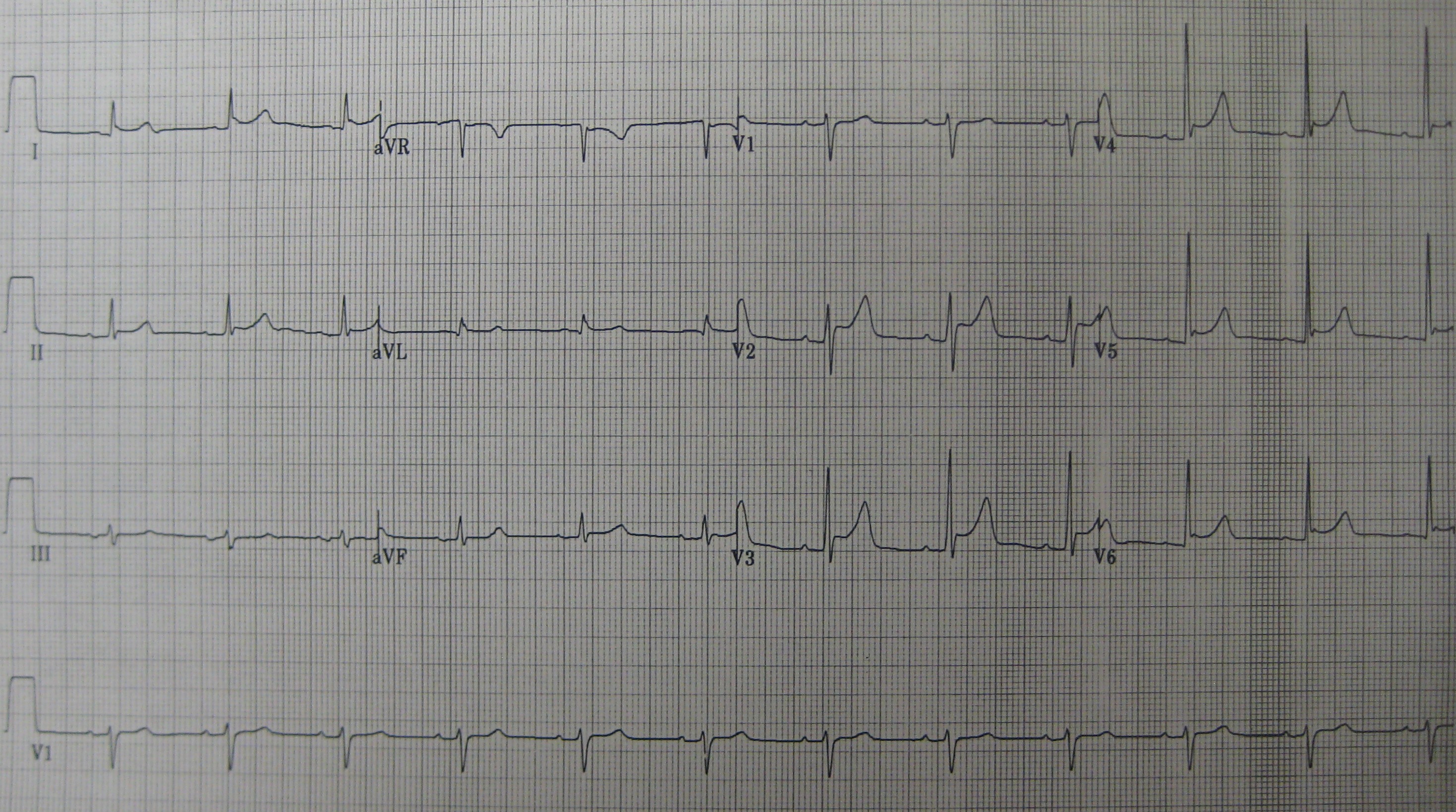
The diagnostic tetrad at a glance
| Feature | What to look for |
|---|---|
| Pleuritic, positional chest pain | Sharp, worse supine/on inspiration, improved leaning forward; may radiate to the trapezius ridge |
| Pericardial friction rub | Scratchy sound, best heard leaning forward at end-expiration; transient — listen more than once |
| ECG changes | Diffuse concave-upward ST elevation and PR depression, without a territorial/reciprocal pattern |
| New or worsening pericardial effusion | On echocardiography; correlates with, but is not required for, the diagnosis |
At least 2 of these 4 features are traditionally required for the diagnosis.[2][1] Elevated inflammatory markers (CRP, ESR) and evidence of pericardial inflammation on cardiac MRI or CT are supportive additional findings, and the 2025 ACC framework now allows either of these — alongside the classic four — to satisfy the "at least one additional finding" requirement alongside pericarditic chest pain itself.[3]
Risk Factors
- Most cases are idiopathic or presumed viral — no specific pathogen is ever isolated, and the presumption is based on excluding other causes rather than positive identification.[1]
- Post-cardiac-injury syndrome — after myocardial infarction (historically "Dressler syndrome" when delayed by weeks), cardiac surgery (postpericardiotomy syndrome), percutaneous coronary intervention, pacemaker/ICD lead placement, catheter ablation, or blunt chest trauma.[1]
- Autoimmune and connective tissue disease — systemic lupus erythematosus, rheumatoid arthritis, systemic sclerosis, and vasculitis; pericarditis can be the presenting feature of an as-yet-undiagnosed systemic autoimmune disease.
- Malignancy — primary pericardial tumours are rare; far more common is metastatic or contiguous spread, most often from breast cancer, lung cancer, or lymphoma, and a malignant effusion carries its own higher risk of tamponade.
- Uremia — pericarditis in end-stage renal disease, either from uremia itself (pre-dialysis or under-dialyzed) or, less commonly, once a patient is established on adequate dialysis; management differs meaningfully from the idiopathic pathway (see Special Populations).
- Tuberculosis — a dominant cause where TB is endemic, and a diagnosis that must be actively considered, and tested for, given the relevant epidemiologic risk or exposure history, since its treatment (antituberculous therapy, with corticosteroids as a genuine adjunct in this specific etiology) diverges from the idiopathic pathway.[1]
- Purulent bacterial pericarditis — uncommon but genuinely dangerous, more likely with pre-existing pericardial effusion, cardiothoracic surgery, chest trauma, immunosuppression, or contiguous infection (e.g., pneumonia, empyema, endocarditis with extension).
- Drug-induced — a lupus-like syndrome from procainamide, hydralazine, or isoniazid among others; and, of specific current relevance covered in depth in the Myocarditis chapter, immune checkpoint inhibitor therapy, which can trigger pericarditis alongside or independent of ICI myocarditis.
- Radiation exposure to the mediastinum (historical or recent radiotherapy) — a recognized cause of both acute pericarditis and, longer-term, constrictive pericarditis.
- mRNA COVID-19 vaccination — pericarditis (with or without accompanying myocarditis) has been described after mRNA vaccination with a pattern similar to vaccine-associated myocarditis: more common in young males, most often after the second dose, with onset typically within days; see the Myocarditis chapter and Special Populations for the shared Canadian surveillance data and revaccination guidance, which this chapter does not duplicate.[6]
Red Flags & Refer
Most pericarditis is idiopathic, low-risk, and safely managed as an outpatient — but the following features change that and should prompt hospitalization, urgent drainage, or specialist referral rather than the standard first-line pathway:
- Fever above 38°C, an immunosuppressed state, or a subacute (rather than acute) onset — each an independently evidence-based major risk factor for a complicated course and a reason to admit rather than manage as an outpatient.[1]
- Large pericardial effusion — greater than 20 mm on echocardiography — independently associated with a higher risk of tamponade and other complications, regardless of how the patient otherwise looks.[1]
- Cardiac tamponade — hypotension, pulsus paradoxus (an inspiratory drop in systolic blood pressure of more than 10 mmHg), elevated jugular venous pressure, and muffled/quiet heart sounds (the classic triad), with echocardiographic early diastolic right ventricular collapse, late diastolic right atrial collapse, or electrical alternans on ECG — this is a medical emergency requiring urgent pericardiocentesis, and should never be managed with anti-inflammatory therapy alone while awaiting drainage.[2] Tamponade is fundamentally about the rate of fluid accumulation, not the absolute effusion size — a rapidly accumulating small-to-moderate effusion can tamponade before a large, slowly accumulated one ever does, so do not be falsely reassured by a "small" effusion on a single echocardiogram if the clinical picture is concerning.[3]
- Anticoagulant therapy — a specific risk factor for hemorrhagic transformation of a pericardial effusion into tamponade, and a reason for closer monitoring and a lower threshold to image and admit.[1]
- Myopericarditis — troponin elevation in the setting of pericarditis — is itself a major risk factor warranting admission, and requires the activity-restriction approach described in Choose Initial Treatment and cross-referenced to the Myocarditis chapter.[1][2]
- Failure to respond to NSAID therapy after about a week is itself a red flag prompting hospitalization and re-evaluation of the underlying etiology, not simply a reason to switch NSAIDs.[1]
- Suspected purulent bacterial or tuberculous pericarditis — high fever, hemodynamic compromise, a relevant exposure or immunocompromise history — needs urgent pericardiocentesis for diagnosis and pathogen-directed therapy, not the empiric idiopathic-pathway approach.
- Suspected malignant effusion — a known or newly discovered malignancy with a new, often large effusion — needs its own diagnostic and drainage pathway in coordination with oncology.
- Any new cardiac symptom in a patient currently receiving an immune checkpoint inhibitor — evaluate urgently and coordinate with cardio-oncology per the Myocarditis chapter's ICI pathway, since pericarditis can accompany or herald ICI myocarditis.
Assessment & Diagnosis
Applying the diagnostic tetrad
At least 2 of the 4 classic features — pleuritic positional chest pain, a pericardial friction rub, diffuse ST-elevation/PR-depression on ECG, and a new or worsening pericardial effusion — are traditionally required to diagnose acute pericarditis.[2][1] The 2025 ACC concise clinical guidance reframes this around pericarditic chest pain plus at least one additional supporting finding, and explicitly widens what counts as supporting evidence to include elevated inflammatory biomarkers or CMR/CT evidence of pericardial inflammation, alongside a tiered "definite/possible/unlikely" confidence framework rather than a strict checklist — a genuine, current evolution in how the diagnosis is approached, though the underlying clinical gestalt is unchanged.[3]
Core initial testing — every patient
- 12-lead ECG for the classic diffuse ST-elevation/PR-depression pattern (see Recognize the Condition for the four-stage evolution); a normal ECG does not exclude pericarditis.
- Transthoracic echocardiography to confirm or exclude a pericardial effusion, assess its size, and screen for tamponade physiology (right ventricular/right atrial diastolic collapse, respirophasic mitral/tricuspid inflow variation, inferior vena cava plethora).[2]
- Inflammatory markers — CRP is the single most useful marker for both confirming active inflammation and, later, guiding when it is safe to taper therapy (see Choose Initial Treatment and Monitoring & Follow-Up); ESR is a reasonable alternative where CRP is unavailable.[1]
- Cardiac troponin in every patient, specifically to screen for myopericarditis (troponin elevation without new LV dysfunction) or perimyocarditis (troponin elevation with new LV dysfunction) — this single test materially changes the activity-restriction plan (see Choose Initial Treatment) and, in the case of perimyocarditis, hands primary management to the heart-failure-directed pathway in the Myocarditis chapter.[2]
- A basic evaluation for likely etiology based on the history — this is not one-size-fits-all: a young, otherwise healthy patient with a classic viral-prodrome presentation and no red flags needs little beyond the tests above, while an older patient, one with a relevant exposure history, or one with red flags needs a more directed work-up (see below).
Directed testing when a specific etiology is suspected
| Suspected etiology | Directed testing |
|---|---|
| Post-cardiac-injury syndrome | Clinical diagnosis based on temporal relationship to the inciting cardiac event; no specific additional test required beyond the standard work-up |
| Autoimmune/connective tissue disease | ANA, rheumatoid factor, and other serology directed by the clinical picture — not a routine broad panel in an otherwise classic idiopathic presentation |
| Malignant effusion | Pericardial fluid cytology (from a diagnostic pericardiocentesis), imaging for a primary or metastatic source, oncology referral |
| Tuberculous pericarditis | Pericardial fluid adenosine deaminase, acid-fast bacilli smear/culture, and TB-directed work-up per local protocols, guided by exposure/endemic-region risk |
| Purulent bacterial pericarditis | Pericardial fluid Gram stain/culture (from urgent pericardiocentesis), blood cultures; do not delay drainage for a full autoimmune/malignancy work-up first |
| Uremic pericarditis | Clinical diagnosis in the context of established renal failure; assess dialysis adequacy |
Cardiac MRI and CT
Cardiac MRI can directly visualize pericardial inflammation (late gadolinium enhancement of the pericardium, pericardial edema on T2-weighted imaging) and is particularly useful for an atypical presentation, for recurrent disease where the diagnosis needs to be firmly re-established, or when constrictive physiology is being evaluated; CT is complementary, especially for detecting pericardial calcification relevant to chronic constrictive disease (see the Clinical Decision Algorithm and Treatment Failure / Next Step).[2]
Differential diagnosis
- Acute coronary syndrome — territorial (not diffuse) ST changes, reciprocal changes present, troponin elevation without the classic pericarditic pain pattern; the two can genuinely coexist as myopericarditis, which is exactly why troponin is checked in every patient rather than used purely to "rule in" ACS.
- Myocarditis and perimyocarditis — see the dedicated Myocarditis chapter for the full diagnostic and staging framework; perimyocarditis (troponin elevation with new LV dysfunction) is managed primarily along that chapter's heart-failure-directed pathway rather than this chapter's pathway.
- Aortic dissection and pulmonary embolism — both need their own urgent evaluation pathway when the presentation is at all ambiguous; a dissection can itself cause a pericardial effusion and tamponade, which is a genuine diagnostic trap.
- Costochondritis — see the dedicated Costochondritis chapter; reproducible chest-wall tenderness without the ECG/effusion/rub findings above points away from pericarditis, though the two are not mutually exclusive in a given patient's overall presentation.
Treatment Targets
- Confirm the diagnosis against the tetrad, and screen every patient for the hospitalization-level red flags before defaulting to outpatient management.[1]
- Start NSAID plus colchicine as the first-line combination in essentially every eligible patient — this is genuinely first-line, not a fallback, and colchicine specifically is what reduces the risk of incessant/recurrent disease.[4]
- Avoid corticosteroids as first-line therapy, reserving them for a genuine NSAID contraindication, an autoimmune/uremic etiology, or truly refractory disease — and when used, favour a low dose with a slow, symptom-and-CRP-guided taper.[5]
- Taper NSAID (and, where used, corticosteroid) therapy guided by symptom resolution and CRP normalization, not a fixed calendar interval, to minimize the risk of a rebound/recurrent episode.[1]
- Recognize and urgently drain cardiac tamponade or a large, hemodynamically significant effusion rather than treating it within the standard anti-inflammatory pathway.[2]
- Identify myopericarditis (troponin elevation) and apply the corresponding activity restriction, cross-referencing the Myocarditis chapter rather than re-deriving its framework.[2]
- For recurrent disease: continue colchicine for a genuinely longer course, escalate stepwise, and refer for IL-1 blockade (anakinra or rilonacept) in colchicine-resistant, corticosteroid-dependent patients with multiple recurrences rather than defaulting to prolonged, higher-dose corticosteroid therapy.[7][8]
- Distinguish transient/reversible constrictive physiology, which deserves a genuine trial of anti-inflammatory therapy, from chronic fibrotic/calcific constrictive pericarditis, which needs pericardiectomy referral.[2]
Choose Initial Treatment
1st line, essentially every eligible patient combine an NSAID with colchicine from the outset — this combination, not either drug alone, is the guideline-preferred first-line therapy.[4][3] Choose ibuprofen 600 mg PO every 8 hours, or indomethacin 25-50 mg PO every 8 hours, for most patients; choose acetylsalicylic acid (aspirin) 650-800 mg PO every 6-8 hours instead specifically when the patient needs to remain on aspirin for a concurrent indication (most notably a recent myocardial infarction or PCI), since another NSAID can interfere with aspirin's antiplatelet effect.[1] Add colchicine 0.6 mg PO once daily (body weight under 70 kg) or 0.6 mg PO twice daily (70 kg or more), continued for 3 months for a first episode.[1][4] A gastroprotective proton pump inhibitor is a reasonable routine addition given the combined GI burden of an NSAID course plus colchicine.
Tapering continue the NSAID at full dose for 7-10 days, then taper the dose gradually over 3-4 weeks — the taper should be guided by symptom resolution and CRP normalization, not a fixed calendar, since tapering too quickly on a calendar-only basis is a recognized, avoidable cause of rebound/recurrent pericarditis (see Common Errors to Avoid).[1] Continue colchicine for its full 3-month course even once the NSAID has been tapered off.
Avoid as first-line therapy corticosteroids are not used as initial treatment for a first episode of idiopathic/viral pericarditis, despite often producing fast, satisfying symptom relief — because that relief comes at the cost of a materially higher risk of recurrence, an association demonstrated across multiple observational cohorts, with corticosteroid use identified as an independent risk factor for recurrence with odds ratios in the range of roughly 4 to 10 in different series.[5] This is one of this chapter's central, genuinely counterintuitive teaching points: the drug that works fastest is, for this specific condition, not the drug that serves the patient best over the following months.
Appropriate indications a genuine NSAID contraindication (e.g., active peptic ulcer disease, significant renal impairment, or pregnancy beyond 20 weeks), an autoimmune or uremic etiology where NSAIDs are relatively ineffective or poorly tolerated, or truly refractory disease despite an adequate NSAID-plus-colchicine trial.[1] When corticosteroids are indicated, use a genuinely low dose — prednisone (or prednisolone) 0.2-0.5 mg/kg/day, not a high starting dose — continued until symptom resolution and CRP normalization (typically 2-3 weeks), then tapered slowly, and always alongside continued colchicine, which itself reduces the corticosteroid-associated recurrence risk.[1][4]
The single most important corticosteroid-taper teaching point if symptoms recur while tapering a corticosteroid, do not increase the corticosteroid dose — instead, add or increase an NSAID at the current corticosteroid dose and continue the same slow taper. Escalating the steroid dose back up is exactly the pattern that perpetuates corticosteroid dependency and the recurrence cycle this chapter is built around avoiding.[1]
Tamponade physiology, or a large effusion causing hemodynamic compromise urgent pericardiocentesis — do not manage with anti-inflammatory therapy alone while a tamponading effusion remains undrained; needle pericardiocentesis, typically echo-guided, is the preferred initial approach in an unstable patient, with surgical drainage reserved for specific scenarios (loculated effusion, need for pericardial biopsy, recurrent reaccumulation).[2] A large but hemodynamically insignificant effusion without tamponade physiology can often still be managed with anti-inflammatory therapy and close monitoring, but warrants admission and closer surveillance given the independently higher complication risk this size of effusion carries.[1]
Recurrent pericarditis — a new episode after a symptom-free interval of 4-6 weeks or more — occurs in roughly 10-30% of patients after an initially successful first treatment course.[1] 1st recurrence restart NSAID-plus-colchicine as for a first episode, but continue colchicine for at least 6 months rather than 3.[1] Multiple recurrences despite an adequate colchicine trial, or corticosteroid dependence triple therapy (NSAID, colchicine, and a low-dose corticosteroid) is a reasonable next step, but for genuinely colchicine-resistant, corticosteroid-dependent patients with multiple recurrences, refer for IL-1 blockade — a genuinely different, and now well-trial-supported, mechanism-targeted approach rather than simply escalating the same anti-inflammatory drugs further.[1]
IL-1 blockade both rilonacept and anakinra have randomized trial evidence specifically in this population. In the RHAPSODY trial, rilonacept produced rapid resolution of the presenting episode and, in the randomized withdrawal phase, pericarditis recurred in only 7% of patients continued on rilonacept versus 74% of patients switched to placebo.[7] In the AIRTRIP trial, in patients with colchicine-resistant, corticosteroid-dependent recurrent pericarditis, recurrence during the double-blind withdrawal phase occurred in 18% on anakinra versus 90% on placebo.[8] Duration of IL-1 blockade should be individualized and guided by clinical, biomarker (CRP), and imaging remission rather than a fixed stop date — in the RHAPSODY long-term extension, about three-quarters of patients who stopped rilonacept at 18 months went on to recur, underscoring that a fixed, calendar-based discontinuation is not necessarily safe for this population either.[7] This is a specialist-initiated therapy — refer to cardiology or a pericardial-disease program rather than initiating in primary care.
Troponin elevation without new LV dysfunction (myopericarditis) treat the pericarditic component with the same NSAID-plus-colchicine approach described above, but apply activity restriction for a minimum of 6 months from symptom onset rather than the 3 months used for pericarditis alone, given the added risk that vigorous exercise poses during active myocardial inflammation.[2] Troponin elevation WITH new LV dysfunction (perimyocarditis) this is managed primarily along the Myocarditis chapter's heart-failure-directed pathway — see that chapter for the full framework, including its specific caution to avoid routine NSAID use when LV dysfunction is present; this chapter does not duplicate that guidance.[2]
Suspected purulent bacterial pericarditis urgent pericardiocentesis for diagnosis and source control plus empiric then pathogen-directed IV antibiotics — a genuinely different, infection-directed pathway outside this chapter's idiopathic-pathway scope.
Tuberculous pericarditis antituberculous therapy per local TB program protocols; corticosteroids are a genuine, guideline-supported adjunct specifically in this etiology (unlike idiopathic disease), to reduce the risk of progression to constrictive pericarditis — a specific, important exception to the "avoid corticosteroids first-line" rule above.
Uremic pericarditis intensifying dialysis is the primary intervention; NSAIDs and colchicine are of limited proven benefit in this specific etiology and colchicine requires significant dose reduction or avoidance given renal clearance (see Special Populations); low-dose corticosteroids, including intrapericardial administration in refractory cases, are a reasonable specialist-directed option.
Malignant effusion diagnostic and often therapeutic pericardiocentesis, with subsequent management (systemic oncologic therapy, a pericardial window) coordinated with oncology.
Non-Pharmacologic Treatment
- Activity restriction — a specific, genuine intervention rather than vague "take it easy" advice: restrict competitive sport and vigorous/high-intensity exercise for a minimum of 3 months for typical pericarditis, extended to a minimum of 6 months for myopericarditis, with return to play only after symptoms have resolved and CRP, ECG, and echocardiogram have normalized — not on a calendar date alone.[2] Where myopericarditis or perimyocarditis genuinely overlaps with myocarditis, see the Myocarditis chapter's own activity-restriction and return-to-play framework, including its more recent EF-stratified approach, rather than treating this as a separate, conflicting rule.
- Pericardiocentesis — for tamponade (urgent, as above), for a large symptomatic effusion unresponsive to medical therapy, or for diagnostic purposes when a bacterial, tuberculous, or malignant etiology is suspected.[2]
- Pericardial window or pericardiectomy for recurrent, large, or loculated effusions not adequately controlled by repeated pericardiocentesis, and, separately, for chronic fibrotic/calcific constrictive pericarditis with persistent symptoms despite medical therapy (see Treatment Failure / Next Step).[2]
- Address the underlying trigger directly where one is identified — intensify dialysis for uremic pericarditis, hold the causative agent for drug-induced disease, treat the underlying autoimmune condition in coordination with rheumatology, and coordinate with cardio-oncology for ICI-associated disease per the Myocarditis chapter's pathway.
- Patient education on the genuinely favourable overall prognosis of idiopathic/viral pericarditis, balanced against the real 10-30% recurrence risk, so that a recurrence is recognized promptly rather than dismissed or, conversely, treated as a treatment failure requiring escalating therapy on its own.[1]
Pharmacologic Treatment Options
| Drug / intervention | Role | Dose / use | Important adverse effects | Teaching points |
|---|---|---|---|---|
| Ibuprofen Preferred | 1st line NSAID, combined with colchicine from the outset | 600 mg PO every 8 hours for 7-10 days, then taper over 3-4 weeks guided by symptoms and CRP | GI upset, GI bleeding, renal impairment, fluid retention | Add a PPI for GI protection during the combined NSAID-plus-colchicine course. |
| Indomethacin Preferred | 1st line NSAID, alternative to ibuprofen | 25-50 mg PO every 8 hours, tapered the same way as ibuprofen | GI upset, headache/dizziness (more prominent than with ibuprofen), renal impairment | A reasonable alternative when ibuprofen is not tolerated or preferred. |
| Acetylsalicylic acid (ASA) Preferred | 1st line NSAID, preferred specifically when the patient must remain on aspirin (e.g., recent MI/PCI) | 650-800 mg PO every 6-8 hours, tapered the same way | GI upset, GI bleeding, tinnitus at higher doses | Avoids the theoretical interference another NSAID can have with aspirin's antiplatelet effect. |
| Colchicine Preferred | Central recurrence-reducing adjunct, combined with the NSAID from the outset | 0.6 mg PO once daily (under 70 kg) or 0.6 mg PO twice daily (70 kg or more); 3 months for a first episode, at least 6 months for recurrent disease | GI upset (diarrhea is the dose-limiting effect), rare myelosuppression at high or accumulated doses | Do not omit due to unfamiliarity — the single intervention with the strongest trial evidence for reducing recurrence; dose-reduce substantially or avoid in significant renal or hepatic impairment. |
| Prednisone/prednisolone Special situation | Reserved — NOT first-line; genuine NSAID contraindication, autoimmune/uremic etiology, or refractory disease | 0.2-0.5 mg/kg/day, continued until symptom resolution/CRP normalization (about 2-3 weeks), then tapered slowly, always alongside continued colchicine | Hyperglycemia, mood changes, GI upset, weight gain, increased infection risk, adrenal suppression with prolonged use | Independently associated with higher recurrence risk when used as first-line therapy; if symptoms recur during the taper, increase the NSAID, not the corticosteroid dose. |
| Anakinra Special situation | Colchicine-resistant, corticosteroid-dependent recurrent pericarditis with multiple recurrences | 1-2 mg/kg/day (maximum 100 mg) SC once daily, specialist-initiated; duration individualized to clinical/biomarker/imaging remission | Injection-site reactions (very common), transaminase elevation, infection risk | Trial evidence (AIRTRIP) specifically in colchicine-resistant, steroid-dependent disease; a specialist-referral therapy, not primary-care-initiated. |
| Rilonacept Special situation | Colchicine-resistant, corticosteroid-dependent recurrent pericarditis — the only agent with regulatory approval specifically for this indication | 320 mg SC on day 1, then 160 mg SC once weekly, specialist-initiated; duration individualized to clinical/biomarker/imaging remission | Injection-site reactions, upper respiratory tract infection, infection risk | Trial evidence (RHAPSODY) in the same population as anakinra; not currently in this platform's drug database — confirm current local availability/access before counselling a patient. |
| Pantoprazole Alternative | GI protection during combined NSAID-plus-colchicine therapy | Standard once-daily dosing per product labelling | Generally well tolerated; see the drug's own monograph for long-term-use considerations | A reasonable routine addition given the combined GI burden of this regimen, particularly with other GI risk factors. |
| Acetaminophen Alternative | Adjunct analgesia, or when an NSAID is genuinely contraindicated | 500-1000 mg PO every 6 hours as needed, maximum 4 g/day | Hepatotoxicity with overdose or significant hepatic impairment | No anti-inflammatory effect — does not replace the NSAID-plus-colchicine backbone; use only as an adjunct or true NSAID-contraindication substitute. |
Special Populations
Pregnancy
Acetaminophen is the preferred analgesic option. Avoid NSAIDs from approximately 20 weeks of pregnancy onward Health Canada has confirmed a risk of fetal renal impairment and low amniotic fluid (oligohydramnios) with NSAID use from about 20 weeks, and NSAIDs are contraindicated in the third trimester (beyond 28 weeks) for this reason — the same standing caution applied elsewhere in this library.[9] Colchicine safety data in pregnancy are limited; use, if genuinely needed for active disease, should be individualized and specialist-directed (obstetrics/maternal-fetal medicine plus cardiology) rather than a default first-line choice. Where anti-inflammatory therapy is truly required and NSAIDs are contraindicated, a low-dose corticosteroid under specialist direction is a reasonable option, mirroring the same NSAID-contraindication indication described in Choose Initial Treatment.
Breastfeeding
Acetaminophen and ibuprofen are both considered compatible with breastfeeding at standard doses; confirm current specifics against each drug's own Drug Database entry before counselling.
Pediatrics
Pericarditis is less common in children than in adults but follows broadly the same diagnostic tetrad and first-line NSAID-plus-colchicine approach, weight-adjusted and specialist-directed; corticosteroids are similarly avoided as first-line therapy given the same recurrence-risk association seen in adult cohorts. Apply the same troponin screen for myopericarditis, and coordinate activity-restriction counselling with pediatric cardiology.
Renal impairment / uremic pericarditis
This is a genuinely distinct management scenario, not simply "the idiopathic pathway with dose adjustment" — intensifying dialysis is the primary intervention, and NSAIDs and colchicine are both of limited proven benefit and carry disproportionate risk in this population: colchicine requires substantial dose reduction or avoidance given its renal clearance, given the real risk of myopathy and marrow suppression with accumulation, and NSAIDs carry their own renal risk independent of any residual renal function. Low-dose corticosteroids, including intrapericardial administration in refractory cases, are a more reasonable option here than in idiopathic disease.
Older adults
Higher baseline NSAID-related GI and renal risk, and a materially higher burden of drug interactions with colchicine — colchicine is a P-glycoprotein and CYP3A4 substrate, and concurrent use of a strong CYP3A4 or P-glycoprotein inhibitor (e.g., clarithromycin, certain calcium channel blockers, cyclosporine) meaningfully raises colchicine toxicity risk and needs an explicit interaction check, particularly in a population more likely to already be on several interacting medications.
Immunocompromised patients and suspected infectious etiology
Maintain a lower threshold for pericardiocentesis and pathogen-directed therapy rather than defaulting to the empiric idiopathic pathway, given the higher relative likelihood of a purulent bacterial, tuberculous, or opportunistic cause in this population.
Post-cardiac-injury syndrome specifically
The same NSAID-plus-colchicine approach applies; aspirin is generally preferred over another NSAID in the post-myocardial-infarction population specifically to avoid any interference with ongoing antiplatelet therapy and infarct healing (see Choose Initial Treatment).[1]
Monitoring & Follow-Up
- Guide the NSAID (and, where used, corticosteroid) taper by symptom resolution and CRP normalization rather than a fixed calendar — recheck CRP before completing a taper, since tapering while CRP is still elevated is a recognized, avoidable cause of rebound pericarditis.[1]
- Repeat echocardiography for any patient who presented with a significant effusion, to confirm resolution or at least stability, and reassess sooner if new symptoms develop.
- Most recurrences occur within the first 18 months after the initial episode — set follow-up and patient-education expectations around this window rather than assuming risk drops to zero once the initial treatment course is complete.
- For patients on IL-1 blockade (anakinra or rilonacept): plan for an individualized, biomarker- and imaging-guided taper rather than a fixed stop date — recurrence after early, fixed-duration discontinuation is common even after a long symptom-free interval on therapy.[7]
- For patients tapering a corticosteroid: reinforce, in writing if possible, that a symptom recurrence during the taper calls for increasing the NSAID, not the corticosteroid dose — this is a genuinely common and avoidable point of confusion.[1]
- Patient education: explain the classic warning signs of recurrence (the same pleuritic, positional chest pain as the presenting episode) and instruct the patient to seek prompt reassessment rather than self-treating with an over-the-counter NSAID alone, since colchicine continuation and CRP-guided tapering are part of what actually reduces future risk; clearly explain the activity-restriction plan and the objective criteria — not a calendar date — that will be used before returning to vigorous exercise or competitive sport.
Treatment Failure / Next Step
- No improvement after about 1 week of NSAID-plus-colchicine therapy: this is itself a red flag (see Red Flags & Refer) — reassess the diagnosis and broaden the etiology work-up rather than simply switching to a different NSAID or adding a corticosteroid reflexively.[1]
- Recurrence after an initially successful course: confirm colchicine was actually continued for its full 3-month course; if it was not, restart NSAID-plus-colchicine and continue colchicine for at least 6 months this time.[1]
- Recurrence during a corticosteroid taper: increase the NSAID, not the corticosteroid dose, and continue the same slow steroid taper — do not simply escalate the steroid back to its prior dose.[1]
- Colchicine-resistant, corticosteroid-dependent disease with multiple recurrences: refer to cardiology or a pericardial-disease program for IL-1 blockade (anakinra or rilonacept) rather than continuing to cycle through escalating NSAID/corticosteroid combinations alone.[7][8]
- New hemodynamic compromise, a rapidly enlarging effusion, or any tamponade feature at any point during treatment: this is a new emergency regardless of how the underlying pericarditis has previously behaved — arrange urgent pericardiocentesis rather than continuing outpatient anti-inflammatory management.[2]
- Suspected transient/reversible constrictive physiology (new signs of right heart failure, elevated JVP with Kussmaul sign, echocardiographic septal bounce, in a patient with recent or ongoing pericardial inflammation): a trial of anti-inflammatory therapy for 2-3 months is reasonable before proceeding to pericardiectomy, since inflammatory constriction can genuinely resolve with treatment rather than requiring surgery.[2]
- Chronic, fibrotic/calcific constrictive pericarditis with persistent, prominent (NYHA class III-IV) symptoms despite an adequate medical trial: refer for pericardiectomy evaluation at an experienced center — surgery is the definitive treatment for genuinely chronic constrictive disease, but should be approached cautiously in both very mild and very advanced disease given its own real perioperative risk.[2]
Common Errors to Avoid
- Using a corticosteroid as first-line therapy because it produces the fastest symptom relief, without recognizing the materially higher recurrence risk this creates.[5]
- Tapering the NSAID (or corticosteroid) on a fixed calendar schedule rather than guided by symptom resolution and CRP normalization — a recognized, avoidable cause of rebound/recurrent pericarditis.[1]
- Omitting colchicine, or stopping it early once the NSAID course is finished, rather than continuing it for its full 3-month (first episode) or 6-month (recurrent) course — colchicine is the single intervention with the strongest evidence for reducing recurrence, not an optional add-on.[4]
- Increasing the corticosteroid dose when symptoms recur during a taper, instead of adding or increasing the NSAID at the current corticosteroid dose — this perpetuates exactly the dependency/recurrence cycle this chapter is built around avoiding.[1]
- Assuming a "small" effusion on a single echocardiogram rules out an evolving tamponade — tamponade physiology depends on the rate of accumulation, not absolute effusion size.[3]
- Choosing ibuprofen (or another non-aspirin NSAID) over aspirin in a patient who needs to remain on aspirin for a recent myocardial infarction or PCI, risking interference with its antiplatelet effect.[1]
- Failing to check troponin in every patient with suspected pericarditis, and consequently missing myopericarditis (and under-applying the longer activity restriction it requires) or perimyocarditis (and missing the point at which management should shift to the Myocarditis chapter's heart-failure-directed pathway).[2]
- Treating uremic, tuberculous, or purulent bacterial pericarditis with the standard idiopathic-pathway NSAID-plus-colchicine approach rather than recognizing each as a genuinely distinct entity with its own specific management.
- Proceeding directly to pericardiectomy for new constrictive physiology without first considering, in the right clinical context, a trial of anti-inflammatory therapy for transient/reversible inflammatory constriction.[2]
- Clearing a patient for full activity on a fixed calendar date alone, rather than confirming symptom resolution and CRP/ECG/echocardiogram normalization first — and specifically under-restricting activity in myopericarditis, where the recommended minimum is 6 months, not the 3 months used for pericarditis alone.[2]
Clinical Decision Algorithm
Drug Tables
How to use this table: Doses are adult doses and require patient-specific confirmation (renal/hepatic function, weight, allergy history). Pediatric dosing is weight-based per the current product monograph unless stated. Drug pricing is intentionally omitted. Select any drug name to open its complete Pharmasist Drug Database page.
First-Line NSAIDs — Combined With Colchicine From the Outset
Continue at full dose for 7-10 days, then taper over 3-4 weeks guided by symptom resolution and CRP normalization, not a fixed calendar.
| Drug | Dosage | Adverse effects | Drug interactions | Comments |
|---|---|---|---|---|
| Ibuprofen | 600 mg PO every 8 hours, then tapered | GI upset, GI bleeding, renal impairment, fluid retention | Additive GI/renal risk with other NSAIDs, anticoagulants, or corticosteroids; may reduce antihypertensive/diuretic efficacy | First choice for most patients without a specific reason to prefer aspirin.[1] |
| Indomethacin | 25-50 mg PO every 8 hours, then tapered | GI upset, headache/dizziness, renal impairment | Additive GI/renal risk with other NSAIDs, anticoagulants, or corticosteroids | A reasonable alternative to ibuprofen; more prominent CNS adverse effects in some patients.[1] |
| Acetylsalicylic acid (ASA) | 650-800 mg PO every 6-8 hours, then tapered | GI upset, GI bleeding, tinnitus at higher doses | Additive bleeding risk with anticoagulants/antiplatelets (though this is also the reason it is preferred post-MI) | Preferred specifically when the patient must remain on aspirin, e.g. recent myocardial infarction or PCI.[1] |
Colchicine — the Central Recurrence-Reducing Adjunct
Combine with the NSAID from the outset in essentially every eligible patient; this is what actually reduces the risk of incessant or recurrent disease.
| Drug | Dosage | Adverse effects | Drug interactions | Comments |
|---|---|---|---|---|
| Colchicine | 0.6 mg PO once daily (under 70 kg) or 0.6 mg PO twice daily (70 kg or more); 3 months for a first episode, at least 6 months for recurrent disease | GI upset (diarrhea is dose-limiting), rare myelosuppression at high or accumulated doses | Extensive CYP3A4/P-glycoprotein-mediated interactions (e.g., clarithromycin, certain calcium channel blockers, cyclosporine) — review before use, especially in older adults | Reduced incessant/recurrent pericarditis from 37.5% to 16.7% versus placebo in the pivotal ICAP trial; dose-reduce substantially or avoid in significant renal or hepatic impairment.[4] |
Corticosteroids — Reserved, Not First-Line
Independently associated with a higher risk of recurrence when used as initial therapy; reserve for a genuine NSAID contraindication, an autoimmune/uremic etiology, or truly refractory disease, and always combine with continued colchicine.
| Drug | Dosage | Adverse effects | Drug interactions | Comments |
|---|---|---|---|---|
| Prednisone/prednisolone | 0.2-0.5 mg/kg/day PO, continued until symptom resolution/CRP normalization (about 2-3 weeks), then tapered slowly | Hyperglycemia, mood changes, GI upset, weight gain, increased infection risk, adrenal suppression with prolonged use | Additive hyperglycemia/infection risk with other immunosuppressants | If symptoms recur during the taper, increase the NSAID — do NOT increase the corticosteroid dose.[1] |
IL-1 Blockade — Colchicine-Resistant, Corticosteroid-Dependent Recurrent Pericarditis
Specialist-initiated; refer to cardiology or a pericardial-disease program rather than starting in primary care. Duration is individualized to clinical, biomarker, and imaging remission rather than a fixed stop date.
| Drug | Dosage | Adverse effects | Drug interactions | Comments |
|---|---|---|---|---|
| Anakinra | 1-2 mg/kg/day (maximum 100 mg) SC once daily, specialist-directed | Injection-site reactions (very common), transaminase elevation, infection risk | Avoid combining with another biologic immunosuppressant | AIRTRIP: 18% recurrence on anakinra vs 90% on placebo during the randomized withdrawal phase.[8] |
| Rilonacept | 320 mg SC on day 1, then 160 mg SC once weekly, specialist-directed | Injection-site reactions, upper respiratory tract infection, infection risk | Avoid combining with another biologic immunosuppressant | RHAPSODY: 7% recurrence on rilonacept vs 74% on placebo during the randomized withdrawal phase; not currently in this platform's drug database.[7] |
Adjuncts
Supportive, not disease-modifying — these do not substitute for the NSAID-plus-colchicine backbone.
| Drug | Dosage | Adverse effects | Drug interactions | Comments |
|---|---|---|---|---|
| Pantoprazole | Standard once-daily dosing per product labelling | Generally well tolerated | Minimal interaction burden relative to some other PPIs | A reasonable routine addition for GI protection during a combined NSAID-plus-colchicine course. |
| Acetaminophen | 500-1000 mg PO every 6 hours as needed, maximum 4 g/day | Hepatotoxicity with overdose or significant hepatic impairment | None significant at standard doses | No anti-inflammatory effect; an adjunct or a substitute only when an NSAID is genuinely contraindicated. |
Professional reference only. Apply clinical judgment and verify patient-specific decisions against current authoritative guidance and product information.