Polymyalgia Rheumatica and Giant-Cell Arteritis
Polymyalgia Rheumatica and Giant-Cell Arteritis
References
- 2025 EULAR recommendations for the management of polymyalgia rheumatica and primary large vessel vasculitis — Annals of the Rheumatic Diseases, European Alliance of Associations for Rheumatology (Mukhtyar CB, Nikiphorou E, Bartoletti A, et al.). Ann Rheum Dis 2026 (online ahead of print, Jul 2026)
- 2021 American College of Rheumatology/Vasculitis Foundation Guideline for the Management of Giant Cell Arteritis and Takayasu Arteritis — Arthritis & Rheumatology, American College of Rheumatology/Vasculitis Foundation (Maz M, Chung SA, Abril A, et al.). Arthritis Rheumatol 2021;73(8):1349-1365
- British Society for Rheumatology guideline on diagnosis and treatment of giant cell arteritis — Rheumatology, British Society for Rheumatology (Mackie SL, Dejaco C, Appenzeller S, et al.). Rheumatology (Oxford) 2020;59(3):e1-e23
- Diagnostic accuracy of symptoms, physical signs, and laboratory tests for giant cell arteritis: a systematic review and meta-analysis — JAMA Internal Medicine (van der Geest KSM, Sandovici M, Brouwer E, Mackie SL). JAMA Intern Med 2020;180(10):1295-1304
- Trial of tocilizumab in giant-cell arteritis — New England Journal of Medicine (Stone JH, Tuckwell K, Dimonaco S, et al.). N Engl J Med 2017;377(4):317-328
- A phase 3 trial of upadacitinib for giant-cell arteritis — New England Journal of Medicine (Blockmans D, Penn SK, Setty AR, et al.). N Engl J Med 2025;392(20):2013-2024
- Sarilumab for relapse of polymyalgia rheumatica during glucocorticoid taper — New England Journal of Medicine (Spiera RF, Unizony S, Warrington KJ, et al.). N Engl J Med 2023;389(14):1263-1272
- 2022 American College of Rheumatology Guideline for the Prevention and Treatment of Glucocorticoid-Induced Osteoporosis — Arthritis & Rheumatology, American College of Rheumatology (Humphrey MB, Russell L, Danila MI, et al.). Arthritis Rheumatol 2023;75(12):2088-2102
- Guidance for the adjustment of FRAX according to the dose of glucocorticoids — Osteoporosis International (Kanis JA, Johansson H, Oden A, McCloskey EV). Osteoporos Int 2011;22(3):809-816
Clinical Snapshot
Polymyalgia rheumatica (PMR) and giant-cell arteritis (GCA) are related corticosteroid-responsive inflammatory conditions of older adults that likely represent a spectrum of the same underlying disease process — a substantial proportion of patients with one condition also have, or go on to develop, the other, and every patient with either diagnosis should be screened for symptoms of both at every visit.[1] PMR causes bilateral aching and stiffness of the shoulder and hip girdles from low-grade synovitis and periarticular inflammation, while GCA is a granulomatous vasculitis of large and medium-sized arteries — chiefly the cranial branches of the aortic arch — that can occlude blood flow to the eye. GCA is an ophthalmologic and vascular emergency: once visual loss from GCA has occurred it is usually permanent, so the entire management principle is to start high-dose corticosteroids immediately on clinical suspicion, before any confirmatory test, to protect vision that has not yet been lost.
Recognize the Condition
Both conditions are diagnosed clinically — there is no blood test specific to either PMR or GCA, and a temporal artery biopsy is confirmatory only for GCA, not PMR.
PMR and GCA — related but distinct presentations
Polymyalgia Rheumatica
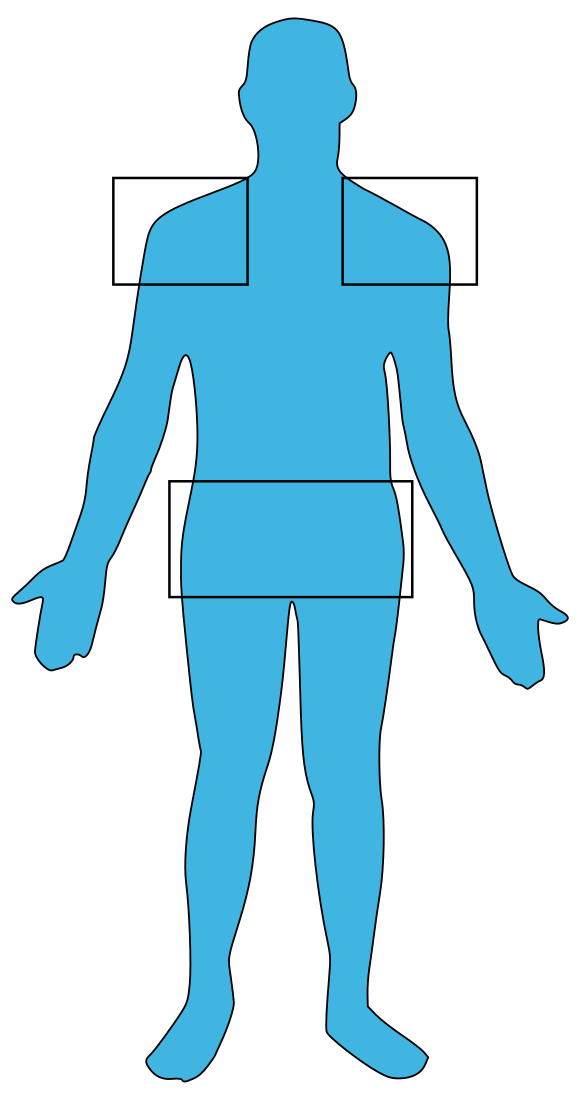
- Bilateral aching and stiffness of the shoulders, neck, and hip girdles — shoulder involvement is the most common and usually the most severe.
- Acute onset; many patients can identify the specific day symptoms began.
- Morning stiffness lasting a substantial part of the morning, often prominent enough to wake the patient overnight with movement, and recurring after any period of inactivity during the day.
- Pain interferes significantly with activities of daily living — dressing, rising from a chair, reaching overhead.
- Systemic symptoms — low-grade fever, malaise, anorexia, weight loss, fatigue — may accompany the musculoskeletal features.
Giant Cell Arteritis
- New-onset headache, most often temporal or occipital, with scalp tenderness (pain on combing hair or resting the head on a pillow).
- Jaw or tongue claudication — pain that builds with chewing or talking and eases with rest — highly specific for GCA.
- Visual symptoms — transient monocular visual loss (amaurosis fugax), permanent monocular visual loss, diplopia, or blurred vision. Untreated, the fellow eye is at high risk of also losing vision within days.
- Upper-limb claudication or other large-vessel symptoms when the aortic arch branches are involved, resembling Takayasu arteritis.
- Systemic symptoms — fever, malaise, weight loss — occur in many patients.
- A recognized late complication is thoracic or abdominal aortic aneurysm, which can present years after the acute illness.
Because the two conditions overlap so heavily, ask every PMR patient specifically about headache, scalp tenderness, jaw claudication, and visual symptoms, and ask every GCA patient specifically about shoulder/hip girdle pain and stiffness — missing the overlap is a common, avoidable error.[2]
Risk Factors
- Age over 50 — both conditions are essentially confined to this age group, with the highest incidence between 70 and 80 years.
- Female sex — both conditions are more common in women than men.
- Northern European or Scandinavian ancestry, though both conditions occur in all populations.
- A first-degree relative with PMR or GCA.
- Existing PMR — a meaningful subset of patients develop concurrent or subsequent GCA.
- Existing GCA — many patients have concurrent or subsequent PMR symptoms.
- Smoking has been associated with an increased risk of GCA in observational data.
Red Flags & Refer
Any suspected GCA is itself a red flag — this is a true ophthalmologic and vascular emergency requiring same-day high-dose corticosteroids, not a routine rheumatology referral. Do not wait for temporal artery biopsy, ultrasound, or specialist confirmation before starting treatment.[3]
- New headache with scalp tenderness in a patient over 50 — treat as suspected GCA until proven otherwise.
- Jaw or tongue claudication — highly specific for GCA and requires immediate high-dose corticosteroids.
- Any transient or permanent monocular visual loss, amaurosis fugax, or new diplopia in a patient with suspected GCA — a true emergency, since vision already lost is usually not recovered and the goal is protecting the unaffected eye.
- Absent or diminished temporal artery pulse, with local tenderness or thickening on palpation.
- New limb claudication, asymmetric pulses, a blood pressure discrepancy between arms, or new bruits — suggests large-vessel involvement and needs urgent vascular imaging.
- A patient being treated for PMR who fails to improve substantially within about 1 week of an adequate corticosteroid dose — reconsider the diagnosis rather than simply increasing the dose.
- New neurologic symptoms (stroke-like deficits, cranial neuropathy) in a patient with known or suspected GCA.
Assessment & Diagnosis
Conditions commonly confused with polymyalgia rheumatica
| Diagnosis | Features distinguishing it from PMR |
|---|---|
| Inflammatory myositis (polymyositis, dermatomyositis) | Objective proximal muscle weakness on exam, not just pain-limited effort; elevated creatine kinase; abnormal EMG and muscle biopsy. |
| Fibromyalgia | Widespread tenderness at multiple soft-tissue sites, not confined to the shoulder and hip girdles; normal ESR/CRP; typically a more insidious, chronic course rather than PMR's acute onset. |
| Elderly-onset rheumatoid arthritis | Synovitis of distal joints, especially the wrists, MCP joints, feet, and ankles — PMR characteristically spares the feet and ankles; rheumatoid factor and/or anti-CCP positivity; incomplete or poor response to a low prednisone dose, unlike PMR's dramatic response; radiographic erosions over time. |
| Malignancy | No true causal association exists between PMR/GCA and cancer, but certain malignancies can mimic the PMR presentation — investigate further when the response to standard corticosteroid therapy is atypical, incomplete, or accompanied by other red-flag features. |
| Calcium pyrophosphate deposition (CPPD) disease | Prominent synovitis of the wrists, MCP joints, and/or knees; chondrocalcinosis (cartilage, tendon, and ligament calcification) on plain radiographs. |
History
Characterize the pattern, distribution, and time course of pain and stiffness, and ask specifically about GCA symptoms (headache, scalp tenderness, jaw/tongue claudication, visual change) in every patient being assessed for PMR, and about PMR symptoms in every patient being assessed for GCA.
Physical examination
Suspected PMR: findings are usually nonspecific — reduced active range of motion of the neck and shoulders driven by pain rather than true weakness. Synovitis may be present in peripheral joints such as the wrists or knees, but should not involve the feet or ankles; involvement there points toward an alternative diagnosis. Marked pitting edema over the dorsum of both hands occurs in a distinct clinical subset. Proximal muscle tenderness may be present, but objective weakness should not occur — if weakness is present, reconsider myositis.
Suspected GCA: palpate both temporal arteries for pulse strength, thickening, and tenderness — a diminished or absent pulse with an appropriate history is highly suggestive of GCA. Check peripheral pulses, listen for bruits, and measure blood pressure in both arms; asymmetry suggests large-vessel involvement.
Laboratory tests
ESR and/or CRP are elevated in almost every patient with active PMR or GCA, but these markers are nonspecific — other causes of systemic inflammation (infection, malignancy) must be considered and excluded on clinical grounds. A small subset of patients have normal ESR and CRP despite active disease, so a normal result does not exclude either diagnosis when the clinical picture is otherwise convincing.[4] CBC may show anemia and/or thrombocytosis.
Imaging
Plain radiographs of affected joints in suspected PMR can help exclude alternative diagnoses. Temporal artery ultrasound and MRI of the cranial arteries are emerging noninvasive alternatives to biopsy, but availability and diagnostic performance vary by centre, so temporal artery biopsy remains the diagnostic reference standard for GCA. CT or MR angiography of the neck, chest, abdomen, and pelvis is useful when large-vessel involvement is suspected, particularly if temporal artery biopsy is negative.[2]
Temporal artery biopsy

- Biopsy only if there is a genuine clinical suspicion of GCA — it is not routinely indicated for isolated PMR without GCA features.
- A unilateral biopsy of at least 1 cm on the more symptomatic side is the recommended initial approach.
- Because vessel involvement is focal and segmental (skip lesions), a normal biopsy does not exclude GCA — consider a contralateral biopsy if clinical suspicion remains high after a negative initial result.
Treatment Targets
- Achieve rapid, substantial symptom relief and normalize inflammatory markers.
- Prevent irreversible visual loss and other ischemic vascular complications in GCA.
- Restore functional status and quality of life.
- Use the lowest corticosteroid dose that controls disease activity, tapered as quickly as the disease allows, working toward eventual discontinuation.
- Minimize cumulative corticosteroid toxicity — bone, metabolic, ophthalmic, and infectious.
- Detect and manage relapse early, before it requires a full re-induction dose.
Choose Initial Treatment
PMR — initial corticosteroid dose
1st line, PMR Start oral prednisone 15-25 mg/day as a single morning dose. Substantial symptom improvement is expected within about 1 week — reconsider the diagnosis if it does not occur.[1]
GCA — emergency initial corticosteroid dose
1st line, GCA without visual threat Start oral prednisone immediately at 1 mg/kg/day (typically 40-60 mg/day, maximum 60 mg/day) as soon as GCA is strongly suspected — do not wait for biopsy, imaging, or specialist confirmation.[2]
GCA — acute or threatened visual loss
Special situation — acute or threatened visual loss Give IV pulse methylprednisolone 500-1000 mg once daily for 3-5 days, then transition to the standard oral prednisone GCA induction dose. Current guidelines recommend this approach for severe presentations despite a lack of direct evidence that pulse IV dosing outperforms oral corticosteroids alone — once visual loss has occurred, corticosteroids will usually not reverse it, so the goal is protecting the unaffected eye and halting further ischemic damage.[3]
Steroid-sparing therapy — when and which agent
Consider upfront, GCA Add tocilizumab to corticosteroids at diagnosis for patients at elevated risk of corticosteroid toxicity or vascular complications, or add it at relapse or when prednisone cannot be tapered below 7.5 mg/day. Tocilizumab is Health Canada-approved for GCA.[5]
Alternative, GCA Upadacitinib 15 mg PO once daily, also Health Canada-approved for GCA, is an oral alternative to tocilizumab for refractory or relapsing disease, or for patients who prefer an oral agent to a subcutaneous/IV one — used together with a corticosteroid taper and continued as monotherapy after corticosteroids are discontinued.[6]
Special situation, PMR Consider tocilizumab or methotrexate in new-onset PMR for patients at elevated risk of corticosteroid toxicity, and reserve sarilumab for relapsing or refractory PMR after an initial corticosteroid taper. Neither tocilizumab nor sarilumab is Health Canada-approved for PMR — both are approved in Canada only for rheumatoid arthritis, so this use is off-label, supported by randomized trial evidence specific to PMR.[7]
Alternative, when IL-6 inhibition is unavailable or not tolerated Methotrexate is a steroid-sparing backup for both PMR and GCA — start once the corticosteroid taper is underway, and always co-prescribe folic acid.
Antiplatelet therapy in GCA
Special situation, GCA Add low-dose ASA (81-100 mg/day) only for GCA with critical or flow-limiting involvement of the carotid or vertebral arteries, or for a separate standard cardiovascular indication for antiplatelet therapy — not routinely for every GCA patient. Weigh bleeding risk carefully and add a PPI or misoprostol for GI protection given concurrent high-dose corticosteroid use.
Avoid Do not use alternate-day corticosteroid dosing for either condition — despite theoretically reducing cumulative exposure, trial evidence shows a higher relapse rate than daily dosing.
Avoid Do not start or continue a statin specifically to treat GCA — statins have no demonstrated disease-modifying effect on GCA itself; manage cardiovascular risk on its own separate merits.
Corticosteroid taper schedules
PMR taper
- Continue the initial effective dose for 2-4 weeks until symptoms and inflammatory markers are controlled.
- Taper by 2.5 mg every 2-4 weeks until a dose of 10 mg/day is reached.
- Below 10 mg/day, taper more slowly — by 1 mg every month.
- Target discontinuation within about 1 year in most patients; some patients require a much longer course — 5-10 years, or indefinite low-dose therapy — so set expectations at the start of treatment.
GCA taper
- Continue the initial induction dose for 2-4 weeks.
- Taper by 10 mg every 2 weeks until 40 mg/day.
- Then taper by 5 mg every 2 weeks until 20 mg/day.
- Then taper by 2.5 mg every 2 weeks until 10 mg/day.
- Below 10 mg/day, taper by 1 mg every month.
- Target discontinuation within 12-18 months; a more accelerated taper can be considered when combined with tocilizumab or upadacitinib. Some patients require a much longer course — 5-10 years, or indefinite therapy.
Non-Pharmacologic Treatment
- Educate every patient at the outset that treatment is typically a multi-year process with a slow, deliberate taper — understanding this reduces self-directed premature discontinuation and improves adherence.
- Weight-bearing exercise, smoking cessation, and limiting alcohol intake to 1-2 drinks/day support bone health throughout the corticosteroid course.[8]
- Prioritize dietary calcium and vitamin D intake, supplementing only the gap to reach target daily intake (see Pharmacologic Treatment Options).
- Home blood pressure monitoring, and home glucose monitoring in patients with diabetes or prediabetes, while on higher corticosteroid doses.
- Fall-prevention counselling — corticosteroid myopathy and osteoporosis together substantially raise fracture risk from a fall.
- Confirm vaccination status is up to date before starting significant immunosuppression, particularly before tocilizumab, upadacitinib, or methotrexate.
- Physiotherapy or occupational therapy referral for persistent stiffness, deconditioning, or reduced shoulder range of motion.
- For PMR shoulder pain that does not fully resolve with systemic tapering, consider whether a localized rotator cuff tendinitis, subacromial bursitis, or capsulitis is contributing — this is more likely when diagnosis or treatment was delayed, and often responds to a localized corticosteroid injection rather than indicating the systemic taper has failed (see Drug Tables).
Pharmacologic Treatment Options
| Drug / intervention | Role | Dose / use | Important adverse effects | Teaching points |
|---|---|---|---|---|
| Prednisone (PMR) Preferred | 1st-line induction, PMR | 15-25 mg PO once daily | Weight gain, hyperglycemia, hypertension, mood changes, cataracts, osteoporosis, increased infection risk | Single morning dose. Expect substantial improvement within about 1 week. |
| Prednisone (GCA) Preferred | 1st-line induction, GCA (no visual threat) | 1 mg/kg/day PO, typically 40-60 mg/day, max 60 mg/day | Same corticosteroid adverse-effect profile as above, at a higher dose | Start immediately on clinical suspicion — never wait for biopsy or imaging. |
| Methylprednisolone sodium succinate Special situation | GCA with acute/threatened visual loss | 500-1000 mg IV once daily for 3-5 days, then switch to oral prednisone | Same corticosteroid adverse-effect profile, plus acute infusion-related hyperglycemia/agitation | Reserve for acute or threatened visual loss; give in a monitored setting. |
| Tocilizumab Preferred | Steroid-sparing, GCA (Health Canada-approved); off-label special situation in PMR | IV 8 mg/kg every 4 weeks, or SC 162 mg weekly/every other week | Infusion/injection-site reactions, neutropenia, transaminase elevation, increased infection risk, rare GI perforation | Screen for latent TB and hepatitis B/C before starting. |
| Upadacitinib Alternative | Steroid-sparing, GCA (Health Canada-approved), oral option | 15 mg PO once daily | Increased infection risk (including herpes zoster), venous thromboembolism, transaminase elevation, neutropenia | Not studied for PMR. Class-wide JAK-inhibitor cardiovascular/malignancy/thrombosis warnings apply in at-risk patients. |
| Sarilumab Special situation | Steroid-sparing, relapsing/refractory PMR (off-label in Canada) | 200 mg SC once every 2 weeks | Injection-site reactions, neutropenia, transaminase elevation, increased infection risk | Approved in Canada only for rheumatoid arthritis; supported by randomized trial evidence in relapsing PMR specifically. |
| Methotrexate Alternative | Steroid-sparing backup, PMR or GCA | PMR 7.5-10 mg weekly; GCA 10-15 mg weekly (max 25 mg) | Nausea, mucositis, transaminase elevation, cytopenias (rare) | Always co-prescribe folic acid. Confirm renal function and hepatitis B/C status first. |
| ASA Special situation | GCA with critical/flow-limiting carotid or vertebral involvement | 81-100 mg PO once daily | GI upset/bleeding | Not routine for every GCA patient — add GI protection given concurrent corticosteroid use. |
| Alendronic acid Preferred | Bone protection during corticosteroid therapy | 70 mg PO once weekly (or 10 mg once daily) | Esophageal irritation, GI upset | Take on an empty stomach with plain water; remain upright 30 minutes. |
| Denosumab Alternative | Bone protection when oral bisphosphonate is not tolerated, or in significant renal impairment | 60 mg SC once every 6 months | Hypocalcemia, increased infection risk | Never stop without transitioning to a bisphosphonate — rebound vertebral fracture risk. |
Special Populations
Pregnancy
PMR and GCA occur almost exclusively in adults over 50, so pregnancy is not a practical concern for most patients — the following applies to the rare exception or to a steroid-sparing agent continued from another indication. Prednisone is compatible with pregnancy when clearly indicated for a serious maternal condition, used at the lowest effective dose. Methotrexate is contraindicated in pregnancy — it is teratogenic; stop it and use effective contraception, or switch to corticosteroid monotherapy, before a planned pregnancy. Tocilizumab, sarilumab, and upadacitinib have limited human pregnancy data and are generally avoided — upadacitinib in particular carries a specific fetal risk warning as a JAK inhibitor. Bisphosphonates and denosumab are avoided in pregnancy and when pregnancy is being planned, given bisphosphonates' long bone half-life and denosumab's effect on maternal-fetal calcium handling.
Breastfeeding
Low-dose prednisone is compatible with breastfeeding. Methotrexate is contraindicated. Data for tocilizumab, sarilumab, and upadacitinib in lactation are limited — individualize with specialist input.
Pediatrics
Not applicable — PMR and GCA occur almost exclusively in adults over 50. A similar presentation in a substantially younger patient should prompt evaluation for an alternative diagnosis before PMR or GCA is considered.
Older adults with comorbidities
Because this condition is essentially a disease of older adults, comorbidities should actively guide the initial corticosteroid dose: in patients with diabetes, hypertension, glaucoma, osteoporosis, or cardiovascular disease, select the lower end of the PMR dosing range (15 mg/day) as the starting dose where clinically reasonable, since these patients are also at the highest risk of corticosteroid-related complications.
Renal impairment
Methotrexate is contraindicated in significant renal impairment. Oral bisphosphonates are generally avoided at very low creatinine clearance — denosumab is a reasonable alternative, but correct hypocalcemia and monitor calcium closely given the higher hypocalcemia risk in renal impairment.
Hepatic impairment
Use methotrexate with caution, or avoid, in significant hepatic impairment. Monitor liver enzymes closely with tocilizumab, which can cause transaminase elevation requiring dose interruption.
Monitoring & Follow-Up
Reassess symptoms and repeat ESR/CRP at every dose-taper step. An isolated rise in ESR or CRP without a corresponding clinical relapse is not, by itself, sufficient justification to increase the corticosteroid dose — treat the patient, not the number. If a genuine relapse occurs, increase to the lowest previously effective dose, maintain it for about 1 month, then resume the taper more gradually.
Bone health
Assess fracture risk as soon as possible after starting a corticosteroid course expected to last more than 3 months. Repeat bone mineral density testing periodically depending on baseline risk and cumulative corticosteroid exposure — more frequently with higher doses or a prior fragility fracture.[8]
Glucose and blood pressure
Check glucose at baseline and periodically, especially in patients with known diabetes or prediabetes. Monitor blood pressure at every visit, and more often at home during high-dose induction.
Infection and vaccination
Screen for latent tuberculosis and hepatitis B/C before starting tocilizumab or upadacitinib. Keep age-appropriate vaccinations up to date. Individualize Pneumocystis jirovecii prophylaxis based on the intensity and duration of immunosuppression and patient-specific risk.
Ophthalmic and vascular
Ask about visual symptoms at every visit in a patient with GCA, especially during the early high-dose and taper phases. Maintain long-term awareness of large-vessel complications, including thoracic and abdominal aortic aneurysm, which can present years after the acute illness.
Most patients need close follow-up (clinical review and inflammatory markers) every few weeks during the induction and early taper phases, spacing out as the dose stabilizes at a low maintenance level.
Treatment Failure / Next Step
- Confirm adherence and the correct dose before assuming a treatment failure — nonadherence to a complex, slowly-changing taper schedule is common.
- PMR not substantially improved within about 1 week of an adequate corticosteroid dose: reconsider the diagnosis — rescreen for GCA symptoms and review the differential diagnosis (myositis, fibromyalgia, rheumatoid arthritis, malignancy, CPPD arthropathy).
- Relapse during taper (recurrent symptoms with or without a rise in ESR/CRP): increase to the lowest previously effective dose, maintain for about 1 month, then resume the taper more gradually.
- Frequent relapse, or inability to taper prednisone below 7.5 mg/day: add a steroid-sparing agent — tocilizumab or upadacitinib for GCA; tocilizumab, sarilumab, or methotrexate for PMR.
- GCA with new ischemic symptoms despite treatment (new visual change, jaw claudication, limb claudication): treat as a new emergency — same-day reassessment, IV pulse corticosteroids if not already used, and urgent vascular/ophthalmology input.
- Suspected large-vessel complication (upper-limb claudication, aortic symptoms): obtain CT or MR angiography and arrange vascular referral.
- Genuine corticosteroid intolerance preventing adequate dosing: prioritize earlier initiation of a steroid-sparing agent and involve rheumatology.
Common Errors to Avoid
- Waiting for temporal artery biopsy results before starting corticosteroids in suspected GCA.
- Treating GCA-related headache or visual symptoms as a routine migraine or ophthalmologic complaint without asking about jaw claudication or scalp tenderness.
- Using alternate-day corticosteroid dosing — associated with a higher relapse rate than daily dosing.
- Increasing the corticosteroid dose based on an isolated ESR/CRP rise without a corresponding clinical relapse.
- Assuming PMR that fails to improve within about a week is simply under-dosed rather than reconsidering the diagnosis.
- Missing GCA symptom screening in a patient managed for PMR, or PMR symptom screening in a patient managed for GCA.
- Prescribing methotrexate without co-prescribing folic acid.
- Forgetting bone-protective therapy in a patient starting a multi-month or multi-year corticosteroid course.[9]
- Using a TNF-alpha inhibitor (adalimumab, etanercept, infliximab) for PMR or GCA — trial evidence shows no benefit in either condition.
- Starting a statin specifically to treat GCA — no demonstrated disease-modifying effect on GCA itself.
- Skipping latent tuberculosis and hepatitis B/C screening before starting tocilizumab or upadacitinib.
- Stopping corticosteroids abruptly once symptoms improve, rather than following the taper schedule.
Clinical Decision Algorithm
Drug Tables
How to use this table: Doses are adult doses and require patient-specific confirmation (renal/hepatic function, weight, allergy history). Pediatric dosing is weight-based per the current product monograph unless stated. Drug pricing is intentionally omitted. Select any drug name to open its complete Pharmasist Drug Database page.
Corticosteroids
| Drug | Dosage | Adverse effects | Drug interactions | Comments |
|---|---|---|---|---|
| Prednisone — PMR | Induction: 15-25 mg PO once daily Taper to 10 mg/day: reduce by 2.5 mg every 2-4 weeks once symptoms and inflammatory markers are controlled Taper below 10 mg/day: reduce by 1 mg every month Typical total duration: 1-2 years; some patients require 5-10 years or indefinite low-dose therapy | Weight gain, hyperglycemia, hypertension, mood changes/insomnia, cataracts, osteoporosis, avascular necrosis, adrenal suppression, increased infection risk, myopathy, skin thinning | Barbiturates, phenytoin, and rifampin reduce corticosteroid effect (CYP3A4 induction); additive GI bleeding risk with NSAIDs/ASA | Give as a single morning dose. Substantial improvement expected within about 1 week; reconsider the diagnosis if not seen. Never use alternate-day dosing — associated with a higher relapse rate. |
| Prednisone — GCA | Induction (no visual threat): 1 mg/kg/day PO, typically 40-60 mg/day, maximum 60 mg/day Taper to 40 mg/day: reduce by 10 mg every 2 weeks Taper 40 to 20 mg/day: reduce by 5 mg every 2 weeks Taper 20 to 10 mg/day: reduce by 2.5 mg every 2 weeks Taper below 10 mg/day: reduce by 1 mg every month Typical total duration: 1-2 years, target discontinuation within 12-18 months; some patients require 5-10 years or indefinite therapy | Same corticosteroid adverse-effect profile as above, at a higher cumulative dose | Same as above | Start immediately on clinical suspicion — do not wait for biopsy or imaging. A more accelerated taper can be considered when combined with tocilizumab or upadacitinib. |
| Methylprednisolone sodium succinate | GCA — acute/threatened visual loss: 500-1000 mg IV once daily for 3-5 days, then transition to the standard oral prednisone GCA induction dose | Same corticosteroid adverse-effect profile as prednisone; additional acute infusion-related hyperglycemia, insomnia, and agitation with pulse dosing | Same as prednisone | Reserve for acute or threatened visual loss. Give in a monitored inpatient setting given the very high dose. |
| Methylprednisolone acetate / lidocaine | Subacromial bursa or glenohumeral joint injection: single intra-articular/periarticular injection, dose and volume per institutional procedural protocol | Local injection-site pain, skin/fat atrophy at the injection site, rare joint infection | None significant at this route | Consider for focal, corticosteroid-refractory shoulder pain in PMR from a localized rotator cuff tendinitis, subacromial bursitis, or capsulitis. This reflects a local mechanical contributor rather than a systemic PMR flare, and does not by itself indicate the systemic taper has failed. |
Conventional steroid-sparing immunomodulators
| Drug | Dosage | Adverse effects | Drug interactions | Comments |
|---|---|---|---|---|
| Methotrexate | PMR: 7.5-10 mg PO, IM, or SC once weekly; taper after the corticosteroid course is complete GCA: 10-15 mg PO or SC once weekly; may increase by 5 mg every 2 weeks to a maximum of 25 mg weekly | Nausea, mucositis/oral ulcers, fatigue, transaminase elevation, cytopenias (rare), pneumonitis (rare) | Avoid high-dose sulfonamides (co-trimoxazole) — additive folate antagonism and impaired renal clearance; alcohol increases hepatotoxicity risk | Prescribe folic acid alongside every dose. Confirm hepatitis B/C status and baseline renal function before starting; contraindicated in significant renal impairment. |
| Folic acid | With weekly methotrexate: 5 mg PO once weekly on a different day than the methotrexate dose, or 1 mg PO once daily | Well tolerated | None significant | Reduces methotrexate-related GI and hepatic adverse effects without reducing efficacy; prescribe alongside every methotrexate course. |
| Azathioprine | PMR or GCA, special situation: dose individualized under specialist direction | Myelosuppression, hepatotoxicity, increased infection/malignancy risk, GI upset | Allopurinol markedly increases azathioprine levels and toxicity — avoid or substantially reduce the azathioprine dose if co-prescribed | Reserve for the rare patient with no other steroid-sparing option available; evidence in PMR/GCA is limited and this is not a standard first- or second-line choice in Canada. |
| Leflunomide | PMR or GCA, special situation: dose individualized under specialist direction | Diarrhea, hepatotoxicity, hypertension, teratogenicity (very long half-life) | Additive hepatotoxicity with methotrexate or other hepatotoxic drugs | Reserve for the rare patient with no other steroid-sparing option; requires effective contraception given prolonged teratogenic potential even after stopping. |
Biologic and targeted steroid-sparing agents
| Drug | Dosage | Adverse effects | Drug interactions | Comments |
|---|---|---|---|---|
| Tocilizumab | IV: 8 mg/kg IV once every 4 weeks, infused over 1 hour SC: 162 mg SC once weekly or once every other week | Infusion/injection-site reactions, neutropenia, thrombocytopenia, transaminase elevation, dyslipidemia, increased infection risk, rare GI perforation (higher risk with a diverticulitis history) | Can increase CYP450 enzyme activity as inflammation resolves — monitor concurrent drugs with a narrow therapeutic index (e.g., warfarin) | Health Canada-approved for GCA; use in PMR is off-label. Screen for latent TB and hepatitis B/C before starting. Contraindicated in active infection or recent complicated diverticulitis. |
| Upadacitinib | GCA: 15 mg PO once daily, combined with a corticosteroid taper, continued as monotherapy after corticosteroids are discontinued | Increased infection risk (including herpes zoster), venous thromboembolism, transaminase elevation, neutropenia, lipid elevation; class-wide JAK-inhibitor cardiovascular/malignancy/thrombosis warnings in at-risk patients | Avoid strong CYP3A4 inhibitors/inducers; avoid combining with other potent immunosuppressants or biologics | Health Canada-approved for GCA (approved August 2025). Oral alternative to tocilizumab for refractory/relapsing disease or infusion-averse patients; not studied for PMR. |
| Sarilumab | PMR, relapsing/refractory disease: 200 mg SC once every 2 weeks | Injection-site reactions, neutropenia, transaminase elevation, dyslipidemia, increased infection risk, rare GI perforation | Same CYP450-induction caution as tocilizumab | Not Health Canada-approved for PMR — approved in Canada only for rheumatoid arthritis, so this use is off-label. Supported by randomized trial evidence specific to relapsing PMR. |
| Abatacept | GCA, special situation: dosing per current rheumatoid arthritis weight-based IV or standard SC regimen, individualized under specialist direction | Increased infection risk, infusion reactions, headache | Avoid combining with other biologic immunosuppressants | Evidence in GCA limited to a single small randomized trial; not Health Canada-approved for GCA. Reserve for specialist-directed use when preferred agents are not an option. |
| Rituximab | PMR or GCA, special situation: dosing per current specialist-directed regimen | Infusion reactions, hypogammaglobulinemia, increased infection risk, rare progressive multifocal leukoencephalopathy | Live vaccines contraindicated during and for a defined interval after therapy | Evidence limited to small proof-of-concept studies; not Health Canada-approved for either condition. Specialist-directed use only. |
| Tofacitinib | PMR, special situation: dosing per current rheumatoid arthritis regimen, individualized under specialist direction | Class-wide JAK-inhibitor risks — infection, venous thromboembolism, malignancy, major adverse cardiovascular events in at-risk patients | Avoid strong CYP3A4/CYP2C19 inhibitors or inducers | Evidence limited to a single small open-label trial in PMR; not Health Canada-approved for PMR or GCA. |
TNF-alpha inhibitors — not recommended for PMR or GCA
Randomized trial evidence shows no benefit in either condition; reserve these agents for their approved indications (e.g., rheumatoid arthritis).
| Drug | Dosage | Adverse effects | Drug interactions | Comments |
|---|---|---|---|---|
| Adalimumab | PMR or GCA: Not recommended — no demonstrated benefit for this indication | Not applicable for this indication | Not applicable for this indication | Do not use for PMR or GCA. |
| Etanercept | PMR or GCA: Not recommended — no demonstrated benefit for this indication | Not applicable for this indication | Not applicable for this indication | Do not use for PMR or GCA. |
| Infliximab | PMR or GCA: Not recommended — no demonstrated benefit for this indication | Not applicable for this indication | Not applicable for this indication | Do not use for PMR or GCA. |
Antiplatelet therapy
| Drug | Dosage | Adverse effects | Drug interactions | Comments |
|---|---|---|---|---|
| Acetylsalicylic acid | GCA, special situation: 81-100 mg PO once daily | GI upset/bleeding, rare bronchospasm | Additive bleeding risk with anticoagulants/other antiplatelets; additive GI toxicity with concurrent corticosteroid or NSAID use | Add only for critical or flow-limiting vertebral or carotid artery involvement, or a separate standard indication for antiplatelet therapy — not routine for every GCA patient. Add a PPI or misoprostol for GI protection given concurrent corticosteroid use. |
Glucocorticoid-induced osteoporosis prevention
Assess fracture risk as soon as possible after starting a corticosteroid course expected to last more than 3 months; the unadjusted 10-year fracture-probability estimate from a tool such as FRAX should be adjusted upward for doses above a low/moderate range and downward for lower doses.
| Drug | Dosage | Adverse effects | Drug interactions | Comments |
|---|---|---|---|---|
| Alendronic acid | Standard: 70 mg PO once weekly (or 10 mg PO once daily) | Esophagitis/esophageal irritation, GI upset, rare osteonecrosis of the jaw or atypical femoral fracture with long-term use | Calcium, magnesium, aluminum, or iron-containing products reduce absorption — separate dosing by at least 30 minutes and plain water only | First-line oral bisphosphonate for corticosteroid-induced bone protection. Take first thing in the morning on an empty stomach with a full glass of plain water, remain upright, and wait at least 30 minutes before any other food, drink, or medication. |
| Alendronic acid / vitamin D3 | Combination product: 70 mg alendronic acid / vitamin D3 combination tablet PO once weekly | Same as alendronic acid alone | Same as alendronic acid alone | A convenience combination for patients who would otherwise need a separate vitamin D3 supplement; confirm the vitamin D3 dose in the specific product is adequate or whether additional supplementation is still needed. |
| Denosumab | Standard: 60 mg SC once every 6 months | Hypocalcemia (can be severe, especially in renal impairment), increased infection risk, rare osteonecrosis of the jaw or atypical femoral fracture; rebound vertebral fracture risk if stopped without a follow-on bisphosphonate | None significant | Alternative when an oral bisphosphonate cannot be tolerated or taken correctly, or in significant renal impairment where bisphosphonates are avoided. Correct hypocalcemia and ensure adequate calcium/vitamin D before each dose. Never stop without transitioning to a bisphosphonate. |
| Calcium carbonate | Supplementation: 500-600 mg elemental calcium PO once or twice daily, to reach a total dietary plus supplemental intake of about 1200 mg/day | Constipation, bloating; hypercalcemia with excessive intake | Separate from bisphosphonate, levothyroxine, and fluoroquinolone/tetracycline dosing by several hours | Prioritize dietary calcium intake first; supplement only the gap to reach the daily target. |
| Vitamin D3 | Supplementation: 800-2000 international units PO once daily | Well tolerated at these doses; hypercalcemia with excessive intake | None significant at these doses | Give alongside calcium and bone-protective therapy in every patient on a corticosteroid course expected to last more than 3 months. |
Gastrointestinal protection
For patients on concurrent ASA/NSAID plus corticosteroid therapy, given the additive GI bleeding risk.
| Drug | Dosage | Adverse effects | Drug interactions | Comments |
|---|---|---|---|---|
| Pantoprazole | GI protection: 40 mg PO once daily | Headache, diarrhea, rare hypomagnesemia/B12 deficiency with long-term use | Reduces absorption of drugs requiring an acidic environment (e.g., some antifungals) | Representative PPI; omeprazole or esomeprazole are equally reasonable alternatives. |
| Misoprostol | Alternative GI protection: 200 mcg PO 2-4 times daily with food | Diarrhea, abdominal cramping; contraindicated in pregnancy (uterotonic/abortifacient) | None significant | Alternative to a PPI for GI protection; avoid in patients of childbearing potential without reliable contraception given abortifacient risk. |
Infection prophylaxis
| Drug | Dosage | Adverse effects | Drug interactions | Comments |
|---|---|---|---|---|
| Sulfamethoxazole/trimethoprim | PJP prophylaxis, when individually indicated: 1 single-strength (400 mg/80 mg) tablet PO once daily, or 1 double-strength tablet 3 times weekly | GI upset, rash, hyperkalemia, rare severe cutaneous reactions, hematologic toxicity | Increases methotrexate levels/toxicity — avoid, or use with extra caution and monitoring, in patients also taking methotrexate; increases warfarin effect | Decision to prescribe Pneumocystis jirovecii prophylaxis is individualized based on the intensity/duration of immunosuppression and patient-specific risk factors, not automatic for every patient on a corticosteroid taper. |
Evidence note: Drug inventory, dosing, adverse effects, and comments reflect current Canadian practice, cross-checked against the 2025 EULAR recommendations and current Health Canada product indications.[1]
Professional reference only. Apply clinical judgment and verify patient-specific decisions against current authoritative guidance and product information.