Alberta starts biosimilar insulin transition for eligible pump users, with a May 2027 deadline
Alberta’s November 1 transition gives eligible pump users until May 1, 2027. Device compatibility and exception rules require an individual review.
In this article & details
Community pharmacy teams supporting Alberta government-plan beneficiaries who use insulin pumps need to review a new transition window. A November Alberta Blue Cross notice says eligible users began moving to biosimilar insulin on November 1, 2026, with a May 1, 2027 deadline to maintain applicable government coverage. Pharmacy Benefact 1352 makes pump compatibility central to deciding who must transition.
Key takeaways
- This is an Alberta coverage-policy development, not a direction for every Canadian insulin user.
- A biosimilar’s authorization does not mean every pump supports it. The bulletin provides a device-by-product compatibility matrix.
- Exceptions and exemptions exist; patients should not be told to change insulin or devices without an individual review.
Check the pump before planning the change
The bulletin says users whose Insulin Pump Therapy Program pump is not compatible with an eligible biosimilar do not have to transition until a compatible option is approved; their coverage continues. It also describes provisions for people under 18, pregnancy and medical exceptions. The complete notice and compatibility matrix should be checked for the exact situation rather than reducing the policy to a universal switch deadline.
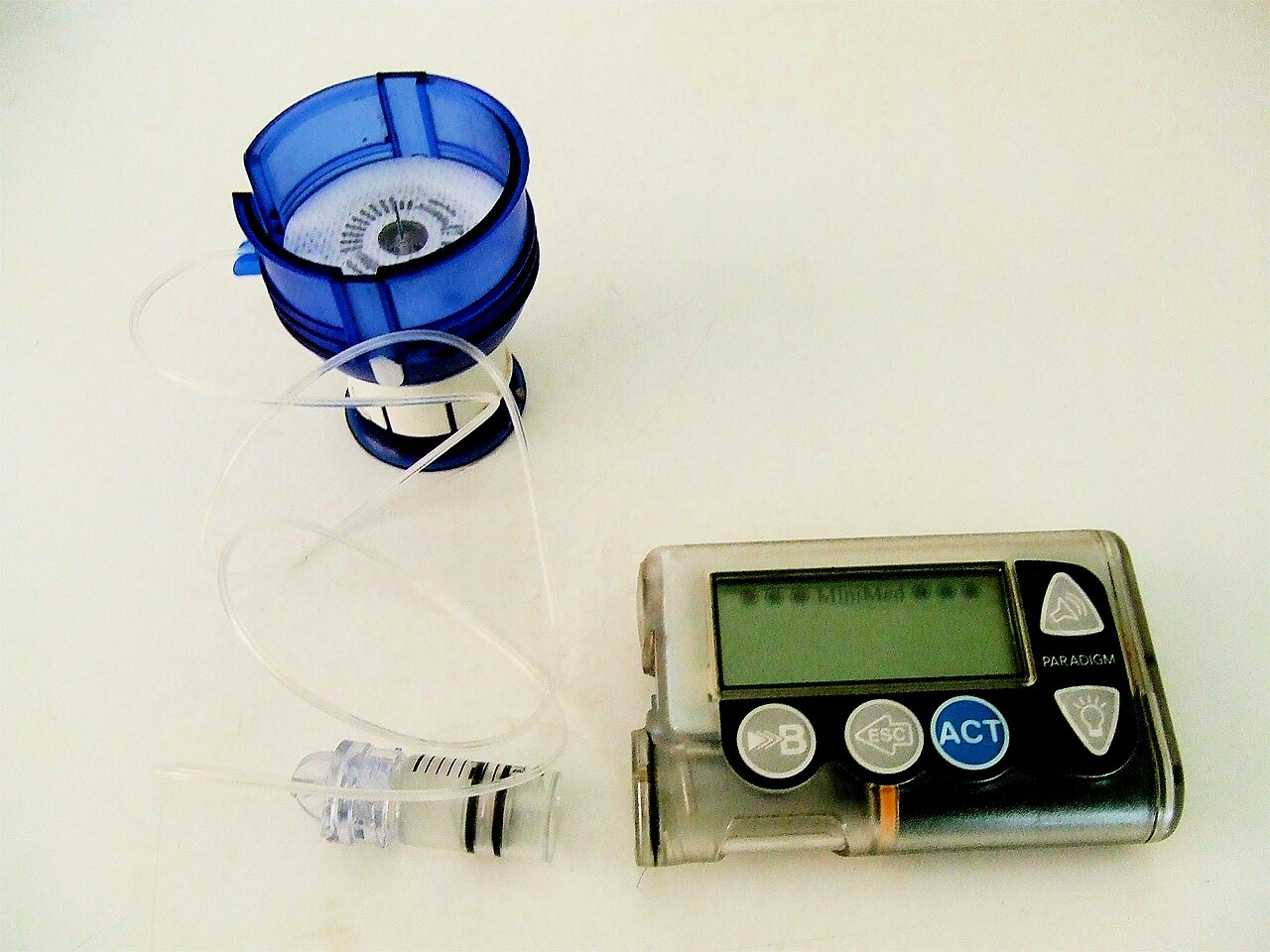
A practical review starts with the precise pump model, not merely its manufacturer. It should then identify the current insulin, concentration, presentation and proposed replacement. A familiar brand name or an assumption based on another patient’s device is not an adequate compatibility check. The purpose is to arrange a supported transition while there is time to resolve questions, not to wait until the final refill before the deadline.
What biosimilar status establishes
Health Canada’s biosimilar fact sheet explains that an authorized biosimilar is highly similar to its reference biologic, with no expected clinically meaningful differences in safety and efficacy for authorized uses. That regulatory assessment is distinct from provincial interchangeability, benefit coverage and compatibility with a particular delivery device.
Alberta’s program information provides the broader coverage framework. For a pharmacy, the important operational distinction is between helping a patient follow an applicable benefit policy and independently making a treatment or pump-setting change. Product selection, prescribing arrangements and follow-up should be coordinated with the diabetes-care team.
Practice guidance for pharmacists
- Identify affected Alberta-plan patients early, using the current prescription and exact pump model rather than a brand-only search.
- Check the bulletin’s current compatibility matrix before proposing a replacement, and document the source and review date.
- Review exemption or exception eligibility with the patient and prescriber; do not assume an application or approval is unnecessary.
- Coordinate prescribing, supply and education with the pump-care team so there is no avoidable interruption in insulin access.
- Confirm the patient understands the agreed product and follow-up plan; do not make an automatic dose or pump-setting change from a coverage notice.
The transition period provides time to work through compatibility, supply and exception questions. Its success should be measured by an uninterrupted, understood treatment plan—not simply by whether a claim changes to a different product before May.
References
- Pharmacy Benefact 1352: Biosimilar insulin transition for insulin pump users — Alberta Blue Cross for the Government of Alberta, November 2026; transition begins November 1, 2026 (accessed Nov 8, 2026)
- Biosimilar drugs — Government of Alberta, Program background; accessed November 8, 2026 (accessed Nov 8, 2026)
- Biosimilar biologic drugs in Canada: Fact Sheet — Health Canada, Regulatory background; accessed November 8, 2026 (accessed Nov 8, 2026)