Alzheimer’s treatment access needs more than a drug listing, Ontario Society report argues
A new Alzheimer Society of Ontario report calls for equitable treatment pathways. Its funding, small roundtable and practical limitations matter too.
In this article & details
A report released by the Alzheimer Society of Ontario on November 2 argues that Canada needs to plan the whole route into Alzheimer’s treatment, not only payment for a medicine. Its central policy question is whether people can obtain assessment, diagnostic confirmation, specialist care and the continuing services needed to use disease-modifying therapies appropriately.
The Society’s announcement presents the report as a call for equitable access. It is advocacy and health-system planning work—not a new clinical trial, an individual treatment recommendation or a government funding decision.
Key takeaways
- A medicine’s authorization, reimbursement and practical availability are different questions.
- The report’s recommendations concern a care pathway, rather than a promise that every person with dementia is eligible for a new therapy.
- The evidence behind the recommendations has limits that should remain visible alongside the proposals.
What the report asks governments and health systems to do
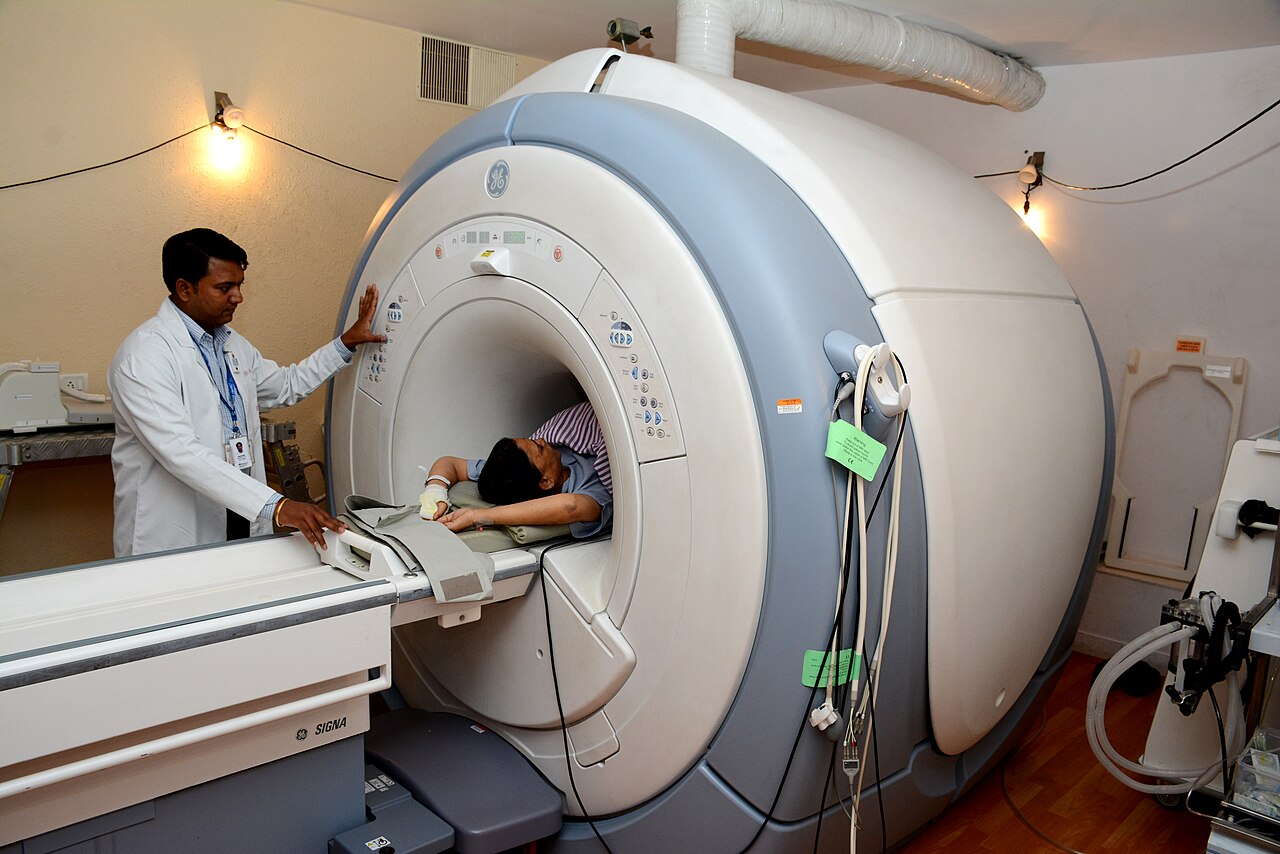
The report’s seven calls to action cover funding the care pathway, coordinating infrastructure, considering quality of life and lived experience in assessment, earlier diagnosis, stronger primary-care support, education and co-design. It identifies barriers involving specialist access, diagnostic testing, imaging, treatment delivery and monitoring.
The practical distinction is important for pharmacy conversations. A patient asking whether a drug is available may be asking several different things: whether it is authorized, whether they might meet clinical criteria, whether their plan pays, and whether a local service can assess and treat them. Answering only one of those questions can create an expectation that the others have already been settled.
Who contributed—and who did not
The report draws on a July 2026 roundtable of 12 invited participants from Ontario, Quebec and British Columbia, with 15 responses to a preceding survey. Patients with mild cognitive impairment or early Alzheimer’s disease and care partners did not participate directly. The authors caution against treating this small invited group as representative of Canada.
Eli Lilly Canada funded the initiative through a grant. The Society states that it retained editorial control; industry observers did not participate in developing the analysis or recommendations. These disclosures matter when weighing the report’s policy proposals.
A planning problem identified before this report
In its December 2024 health-system readiness analysis, Canada’s Drug Agency examined capacity questions associated with Alzheimer’s disease-modifying therapies. Its discussion included diagnostic services, specialist and workforce capacity, treatment delivery, monitoring and equity. That older analysis provides background; it should not be read as a current statement of which products or funding arrangements are available today.
Together, the documents support asking about readiness beyond a formulary entry. They do not establish that a particular province has implemented the proposed pathway or that every barrier has the same solution. Neither document replaces individualized assessment of expected benefit, risk and treatment eligibility.
Practice guidance for pharmacists
For pharmacy teams, the following are editorial service-planning steps rather than new prescribing directions:
- Separate product authorization, clinical eligibility, reimbursement and local service access when responding to an enquiry.
- Verify current product and payer information at the time of counselling; do not rely on a report’s description as a live coverage database.
- Help patients organize an accurate medication history for their assessing team, including non-prescription products.
- Identify the appropriate local referral route and who can explain diagnostic or monitoring arrangements.
- Ask what practical obstacles the patient or care partner faces—travel, communication or appointment coordination—without promising a service that has not been confirmed.
What would constitute progress?
A useful follow-up would show which recommendations have been adopted, where services are operating and whether patients can navigate them. Direct participation by people living with Alzheimer’s disease and care partners would strengthen the next stage of this work. For now, the report is a contribution to that discussion, not proof that a funded and accessible national pathway already exists.
References
- Alzheimer Society of Ontario report urges Canada to prioritize equitable access to Alzheimer’s care as disease-modifying therapies enter the health system — Alzheimer Society of Ontario; distributed by CNW, November 2, 2026 (accessed Nov 5, 2026)
- Building equitable access to Alzheimer’s disease-modifying therapies in Canada — Alzheimer Society of Ontario, 2026 roundtable report; released November 2, 2026 (accessed Nov 5, 2026)
- Health System Readiness for Disease-Modifying Therapies for Alzheimer Disease — Canada’s Drug Agency; Canadian Journal of Health Technologies, December 4, 2024; background analysis (accessed Nov 5, 2026)