CVS plans a 2028 split, with retail pharmacy separate from Aetna and Caremark
CVS proposes two public companies, but the split is not complete. Its structure raises questions about pharmacy networks, incentives and patient continuity.
In this article & details
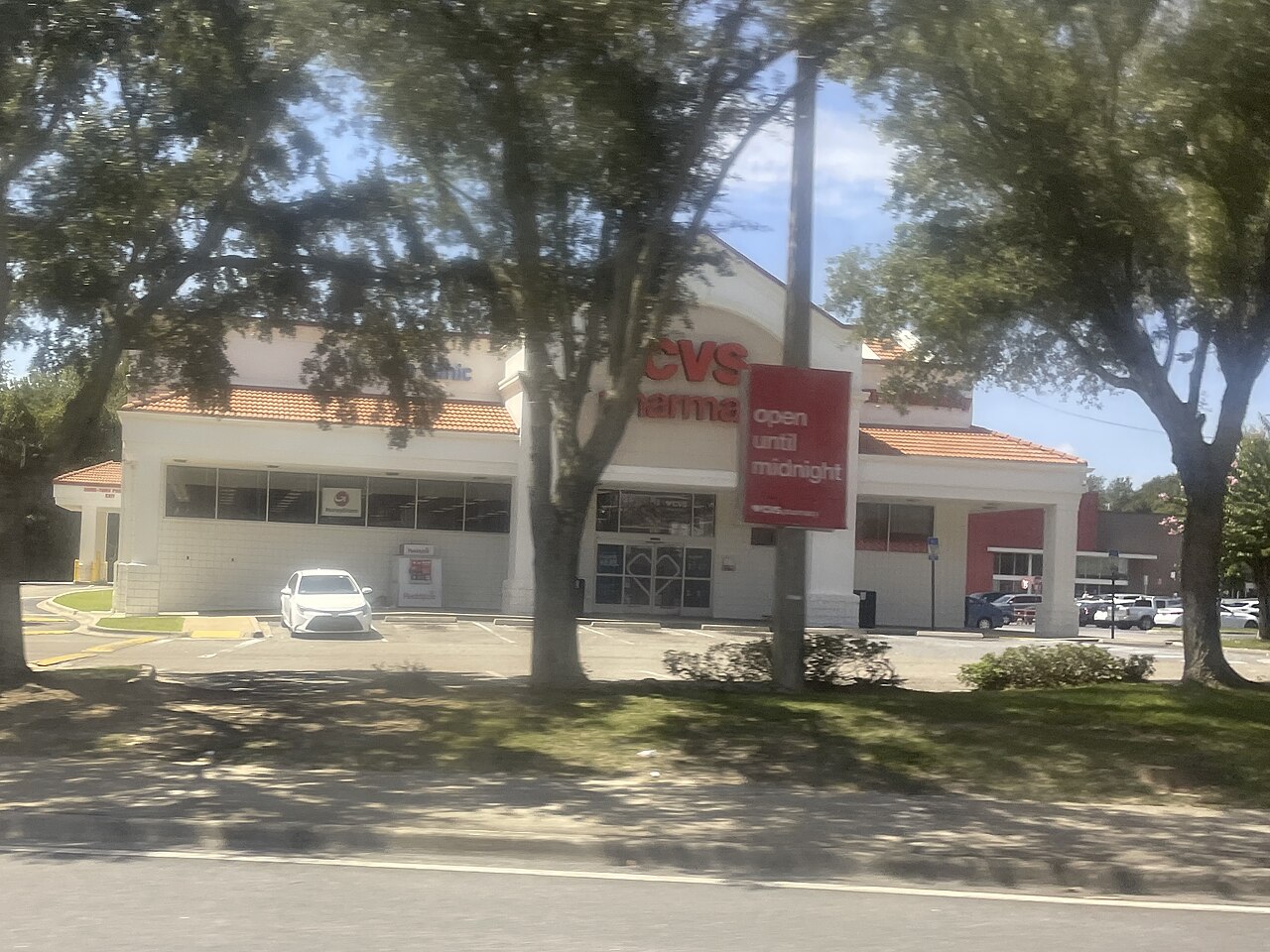
CVS Health announced on November 4 that it intends to become two independent publicly traded companies, targeting the first half of 2028. The proposed division would separate its retail-pharmacy business from a group containing insurance, pharmacy-benefit management and other health services. This is a U.S. corporate plan, not an enacted Canadian policy or an already-completed separation.
Key takeaways
- Ownership structure is only one part of how a pharmacy network operates; contracts and patient-access arrangements also matter.
- The announcement does not establish that prescription costs will fall.
- Canadian readers should distinguish an international business development from a change to their own benefits or pharmacy rules.
What would sit on each side?
Under the company’s proposed structure, CVS Pharmacy would include approximately 9,000 retail pharmacies, mail pharmacy, MinuteClinic and Health100. CVS Health would retain Aetna, CVS Caremark, CVS Specialty, Oak Street Health and Signify Health. Specialty pharmacy would therefore remain alongside the insurer and pharmacy-benefit manager.
Completion remains conditional on final board approval, an effective U.S. securities registration statement and tax-related confirmation. CVS says existing medicine, benefits and care services will continue during the process.
Why the benefit-management connection attracts attention
A pharmacy-benefit manager, or PBM, administers prescription-drug benefits. The role can involve decisions and negotiations affecting formularies, pharmacy networks and reimbursement. In its July 2024 interim staff report, the U.S. Federal Trade Commission described concerns about concentration and vertical integration in that market, including incentives to direct business toward affiliated pharmacies and pressure on independent competitors.
Those are the agency’s findings in an interim report, not a court ruling establishing every allegation. They provide background to the debate about ownership and incentives. They do not demonstrate that the proposed CVS transaction was required by the FTC, that it resolves those concerns, or that a particular patient will pay less.
What the proposal does not answer
From an editorial perspective, the next questions are operational. Will network participation become easier to understand? What agreements will connect the two businesses? How will patients learn about any eventual change affecting a prescription or service? A new corporate boundary does not answer those questions on its own.
Claims about improved affordability also need a defined measure. A change in a company’s costs, an insurer’s spending and a patient’s out-of-pocket payment are not interchangeable outcomes. Any later claim of savings should identify whose costs changed, over what period, and against what comparison.
For Canadian pharmacies, the story is most useful as a case study in how insurance, benefit administration and dispensing can be organized. It should not be presented as evidence that Canadian contracts, ownership rules or reimbursement arrangements have changed.
Practice guidance for pharmacists
- When answering patient questions, distinguish the announced plan from an implemented service change.
- Use the patient’s current insurer and pharmacy information to address a live coverage problem; do not infer coverage from this corporate headline.
- For any relevant business relationship, monitor formal notices and contractual terms rather than assuming a new company name changes obligations.
- Evaluate future affordability claims against a clear patient, payer or pharmacy outcome.
- Keep U.S. PBM terminology and regulatory findings separate from Canadian provincial and private-plan requirements.
What to watch next
The useful milestones will be formal filings and concrete operating arrangements, followed by evidence about access and costs if the separation proceeds. Until those details are available, this is a significant proposed reorganization—not a demonstrated solution to pharmacy-financing problems.
References
- CVS Health Announces Intent to Create Two Distinct Leaders in Healthcare — CVS Health, November 4, 2026 (accessed Nov 5, 2026)
- FTC Releases Interim Staff Report on Prescription Drug Middlemen — U.S. Federal Trade Commission, July 9, 2024; regulatory background (accessed Nov 5, 2026)