Daily cannabis use overtakes daily drinking among Canadians under 50, study finds
A CMAJ analysis of 99,920 adults found daily cannabis use exceeded daily drinking below age 50. Smoking remained the main method, while older adults showed a different pattern.
In this article & details
Daily or almost-daily cannabis use is now more common than daily drinking among Canadian adults younger than 50, according to a study published November 23 in CMAJ. Researchers also found that cannabis use on that schedule exceeded daily cigarette use below age 35, revealing a marked divide between younger and older adults.
The analysis drew on 99,920 adult respondents to the 2023–2024 Canadian Community Health Survey. Across the provincial population represented, 5.7% reported daily cannabis use, compared with 5.2% for alcohol and 8.5% for cigarettes. The cannabis estimate represents approximately 1.81 million adults.
Younger adults drive the change
The overall figures conceal substantial age differences. Among men aged 25–34, 10.8% reported daily cannabis use, compared with 2.9% for alcohol and 8.0% for cigarettes. Among women in that age group, the corresponding estimates were 6.8%, 1.2% and 4.5%.
Women aged 18–24 reported daily cannabis use at 6.6%, compared with 0.4% for alcohol and 2.0% for cigarettes. The pattern reversed among people aged 65 or older: daily drinking was reported by 13.0% of men and 6.7% of women, compared with daily cannabis use of 3.3% and 2.3%, respectively.
Lead author André McDonald, a psychiatric epidemiologist at McMaster University, and senior author Daniel Myran describe the findings as a generational change in regular substance use. Their analysis compares use frequency; it does not establish that people have replaced drinking with cannabis or that the substances carry equivalent risks.
Smoking remains the dominant method
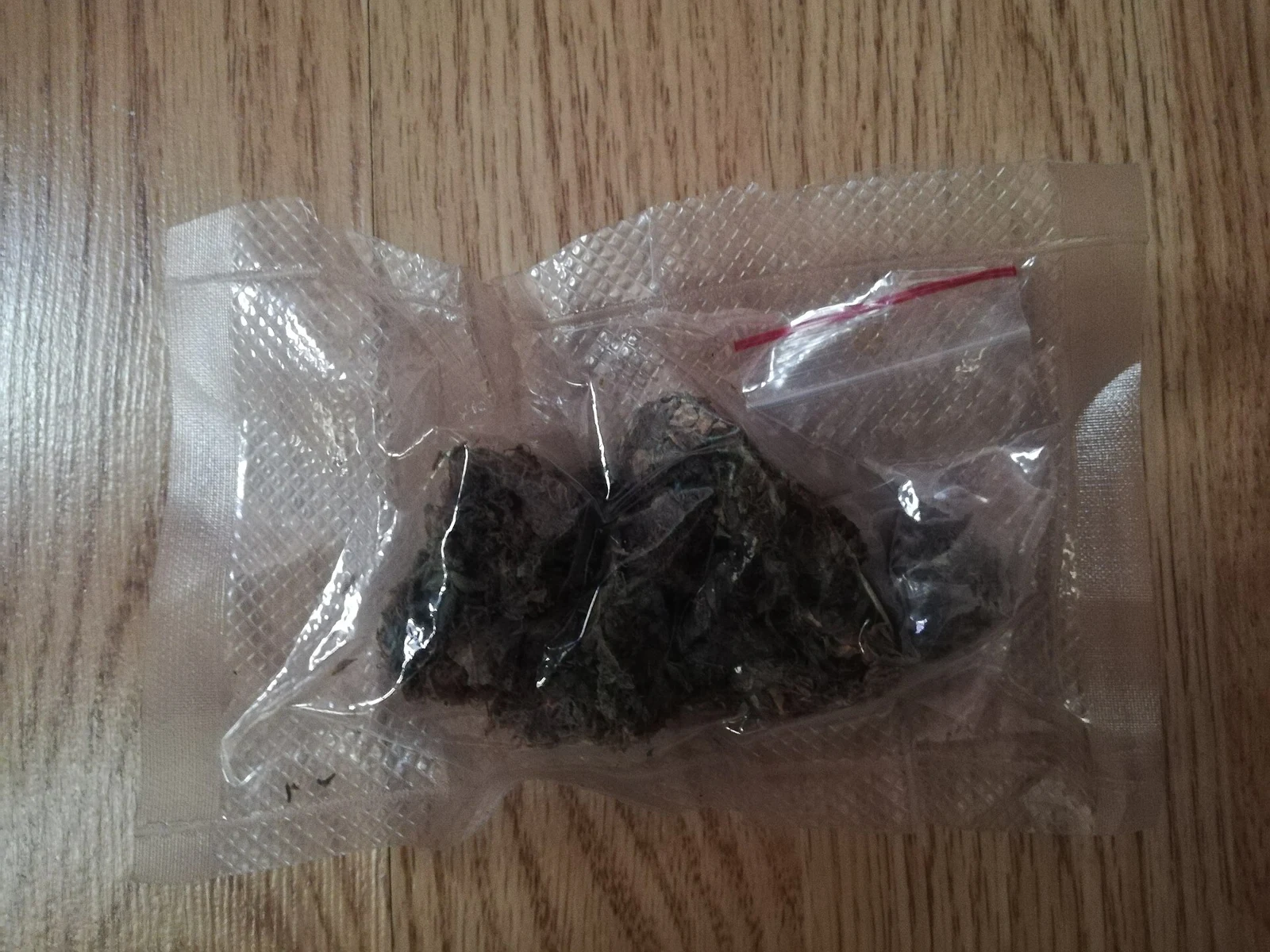
Daily use primarily involving smoked cannabis was reported by 3.9% of adults, compared with 1.8% whose main method did not involve smoking. Roughly 68% of daily users identified smoking as their principal method. Among those mainly using nonsmoking methods, vaporization was more common than swallowing, and some also smoked.
Frequent cannabis use did not usually coincide with daily use of the other substances. Among daily cannabis users, 11.2% also drank daily and 38.4% also smoked cigarettes daily. The researchers say public-health efforts focused on alcohol and tobacco therefore miss many people with a separate pattern of regular cannabis exposure.
Higher use among people reporting mental-health concerns
Daily cannabis use was reported by 22.6% of transgender or gender-diverse respondents, the highest estimate among the gender groups studied. It was also more common among respondents reporting mood disorders, anxiety disorders or fair or poor mental health. These associations do not establish whether cannabis contributed to those conditions, followed them, or reflected other factors.
In the journal’s accompanying release, the authors call for greater attention to frequent cannabis use alongside alcohol and tobacco. Their proposed policy responses include clearer risk communication, marketing and retail restrictions, and prevention and harm-reduction efforts directed at younger adults and populations facing social inequities.
The survey measures patterns, not the cause of individual illness
Responses were self-reported, and the study did not distinguish medical from nonmedical cannabis use or measure the quantity consumed each day. Cannabis and alcohol frequency referred to the previous year; cigarette frequency referred to the previous month. Territorial data were unavailable, and the survey excludes some populations, including people living on First Nations reserves and in institutions.
Forty-one per cent of daily cannabis users reported beginning that pattern after legalization in 2018. The authors caution that younger respondents were also reaching the ages when cannabis use commonly begins, regardless of policy. The cross-sectional findings cannot isolate legalization’s effect. Further research is needed to determine the longer-term health consequences of the changing patterns.
References
- Daily cannabis, alcohol, and cigarette use in the Canadian provinces: results from the 2023 to 2024 Canadian Community Health Survey — November 23, 2026 — McDonald and colleagues / CMAJ, Accessed November 24, 2026 (accessed Nov 24, 2026)
- CMAJ research release — Daily cannabis use exceeds daily alcohol use in adults under 50 — Canadian Medical Association Journal, Accessed November 24, 2026 (accessed Nov 24, 2026)
- Daily cannabis use outpaces alcohol among younger Canadians — November 23, 2026 — Global News, Accessed November 24, 2026 (accessed Nov 24, 2026)
Discussion
0 commentsJoin the discussion. Anyone can read the comments. To comment, log in or create a free individual account.
No comments yet.