FDA flags rare eye risk with GLP-1 medicines (Ozempic and Mounjaro): Should patients stop suddenly?
A U.S. warning highlights possible permanent vision loss. Eye specialists caution against stopping treatment solely out of fear, while sudden vision changes require immediate assessment.
In this article & details
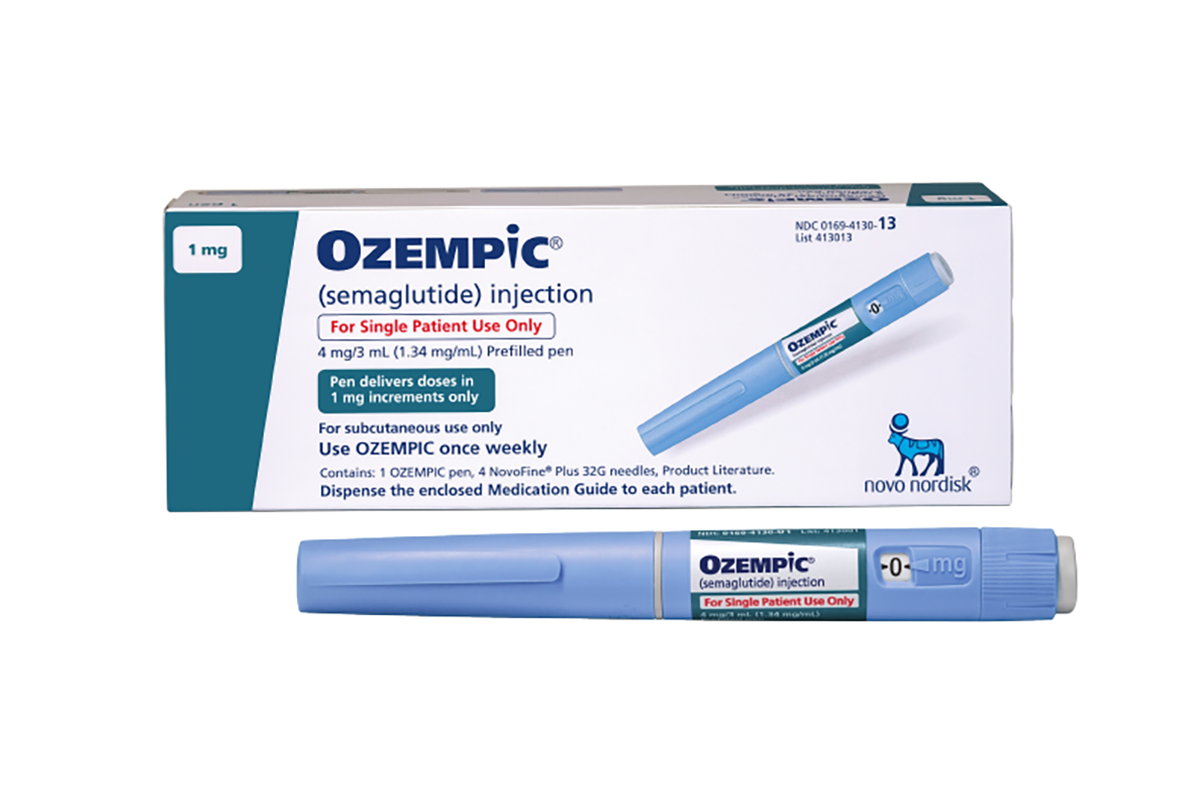
The U.S. Food and Drug Administration ordered new warnings on November 9 about a potential risk of non-arteritic anterior ischemic optic neuropathy (NAION) with GLP-1–based medicines (Ozempic and Mounjaro). The rare condition can cause permanent vision loss. The FDA notice includes both semaglutide and tirzepatide products.
In a November 18 UC Davis Health interview, neuro-ophthalmologist Yin Allison Liu cautioned against stopping medication solely because of fear. She said treatment decisions should weigh each patient’s overall health and be discussed with the prescribing clinician. Sudden vision loss, however, requires immediate evaluation rather than waiting for a routine medication review.
Stopping out of fear and responding to symptoms are different decisions
Liu said the absolute risk remains small and that treatment benefits may outweigh the potential vision risk for people with diabetes, obesity or substantial cardiovascular risk. Her advice was to discuss individual benefits and risks with the prescriber, rather than make a unilateral decision to stop. She also recommended contacting that clinician promptly when new symptoms raise the question of whether treatment should continue. UC Davis Health
A joint American Academy of Ophthalmology and North American Neuro-Ophthalmology Society consensus statement similarly calls for shared decisions about starting, continuing or discontinuing treatment. It notes that discontinuation can carry significant health risks for some patients, including those with difficult-to-manage diabetes or cardiovascular comorbidities. The statement evaluates the evidence and individual clinical circumstances; it does not set a universal rule that everyone should continue or everyone should stop.
The FDA tells clinicians to consider discontinuation after NAION develops unless treatment benefits clearly outweigh the risk. Patients who have had an event should discuss continuation or cessation with their health professional. FDA recommendations
The FDA’s trial analysis found rare events
The regulator pooled 126 randomized trials involving 134,253 participants. It identified 10 probable NAION events among medicine recipients and five among placebo recipients. Rates were 6.4 versus 3.8 per 100,000 person-years. FDA evidence review
Person-years account for both the number of participants and their follow-up time. UC Davis also highlighted the FDA’s separate observational comparison: risk was higher against DPP-4 inhibitors, while the comparison with SGLT-2 inhibitors did not show a statistically significant increase. Those differing comparisons form part of the evidence behind the warning. UC Davis explanation
The first study examined semaglutide, not every product
The original July 2024 JAMA Ophthalmology study examined semaglutide prescriptions in patients at one academic neuro-ophthalmology institution. It reported an association with NAION, but its retrospective design could not establish that the drug caused the condition. Its selected clinical population also limits how directly its findings can be applied to all patients receiving diabetes or weight-management treatment.
The ophthalmology consensus describes a literature dominated by retrospective observational studies, often using health records or insurance claims. Some studies report an association and others do not. It identifies uncertainty about the magnitude of the risk and how findings for semaglutide translate to other medicines. AAO/NANOS consensus
Sudden vision loss needs urgent assessment
The FDA lists sudden, painless loss of vision in one eye, blind spots or missing portions of vision, altered colour perception and reduced central sharpness as possible symptoms. It calls for prompt ophthalmology referral when NAION is suspected. FDA symptom advice
Liu said routine eye visits can identify optic nerve features associated with susceptibility, but those findings cannot reliably predict who will develop NAION. Her November interview distinguishes routine examinations from an acute change in vision: sudden or rapidly worsening vision needs immediate eye assessment or an emergency-department visit. UC Davis Health
U.S. and Australian actions have different wording
Australia’s July 23 safety update had already announced warning changes across the medicine class. Its semaglutide product wording calls for urgent examination after sudden vision loss and stopping treatment if NAION is confirmed. The tirzepatide wording describes reported events and the need for ophthalmological examination after sudden loss of vision.
The Australian regulator also reported that its expert committee considered the evidence supportive of a signal for semaglutide, but not dulaglutide or tirzepatide at that assessment. It nevertheless adopted broader product-information changes. Those distinctions matter when interpreting a class warning: the underlying evidence and label language are not identical for every medicine. TGA assessment and product wording
For Canadian context, Health Canada’s review-initiation list records a semaglutide/NAION review begun in October 2025 for Ozempic, Rybelsus and Wegovy. That entry documents the start of a review. It should not be read as a final Canadian conclusion or as evidence that the November U.S. labeling action automatically changes Canadian product information.
References
- FDA requires safety labeling changes for GLP-1 receptor agonists due to potential increased risk of rare but serious eye condition — U.S. Food and Drug Administration
- GLP-1s now carry a warning about a rare vision-threatening eye condition — November 18, 2026 — UC Davis Health
- GLP-1 receptor agonists and the risk of NAION: NANOS and American Academy of Ophthalmology consensus statement — American Academy of Ophthalmology / NANOS
- Risk of nonarteritic anterior ischemic optic neuropathy in patients prescribed semaglutide — July 3, 2024 — JAMA Ophthalmology
- GLP-1 RAs and rare vision disorder — July 23, 2026 — Therapeutic Goods Administration, Australia
- MedEffect Canada safety and effectiveness reviews initiated — October 2025 semaglutide/NAION entry — Health Canada