Ketamine and bladder injury: a pharmacy conversation that should not stop at UTI symptoms
New professional coverage highlights ketamine-related urinary harm. Sensitive history-taking and timely assessment matter more than assuming another UTI.
In this article & details
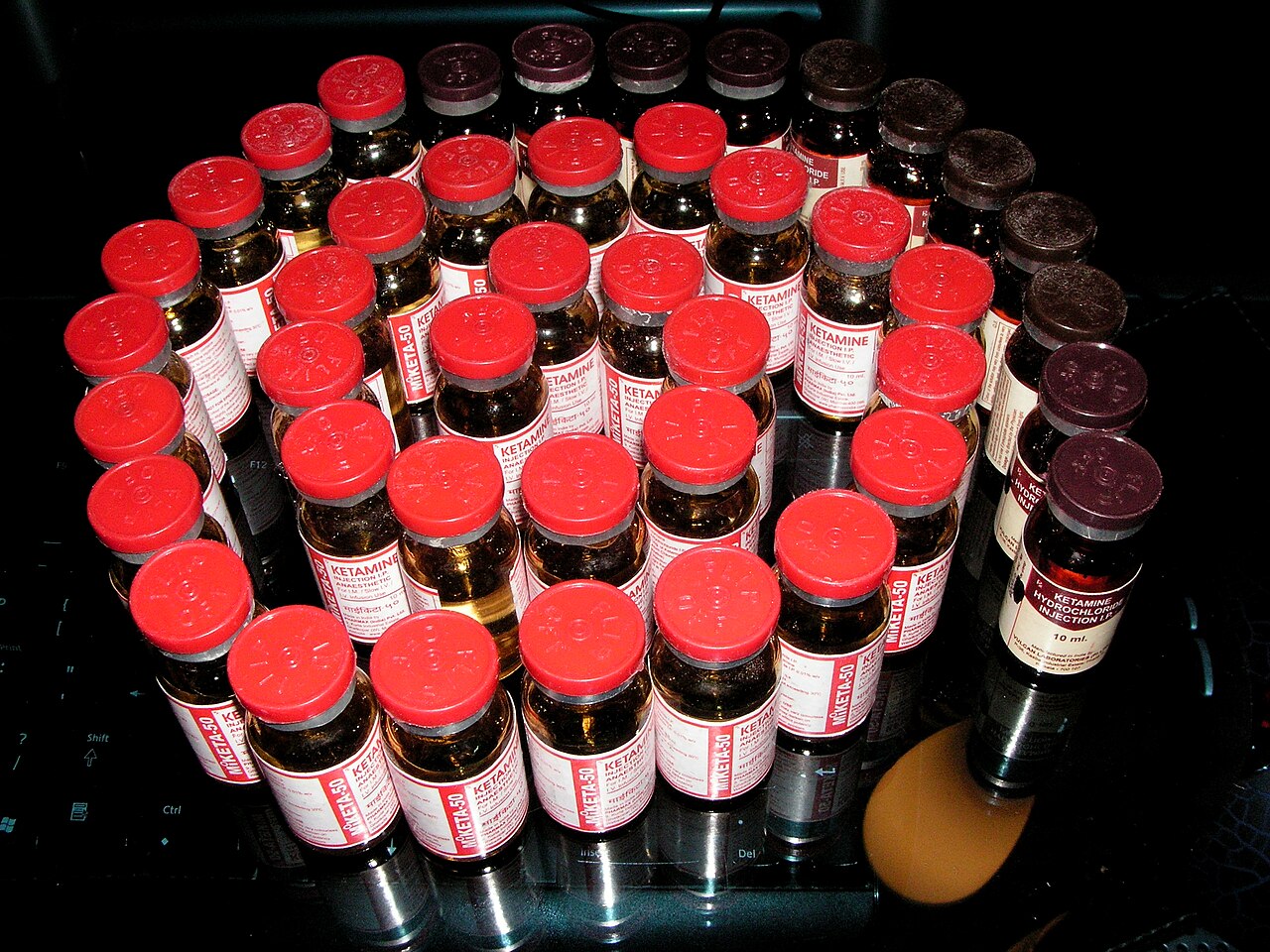
A November 4 feature in The Pharmaceutical Journal has renewed attention to urinary harm associated with ketamine use. The condition is not newly discovered, but the coverage is a timely prompt for pharmacy teams: repeated urinary symptoms may require a sensitive conversation about substance use, not another assumption that the patient has an uncomplicated urinary tract infection.
The feature is professional reporting, not a new Canadian surveillance study. It should not be used to infer a Canadian case count or to assume that a patient with urinary symptoms uses ketamine.
Key takeaways
- Ketamine-associated harm can involve more than the bladder.
- Frequency, urgency, pain or blood in the urine warrant assessment; a pharmacy conversation cannot establish the diagnosis.
- Non-judgmental questions can help patients disclose an exposure that changes the referral pathway.
- People receiving prescribed ketamine or esketamine should raise symptoms with their treating team, rather than independently changing treatment.
What the clinical concern involves
The Centre for Addiction and Mental Health’s background information describes bladder problems associated with ketamine, including frequent urination and blood in the urine. It also discusses tolerance and dependence. This is educational background, not evidence of the scale of a current Canadian outbreak or a way to predict an individual’s risk from a reported amount.
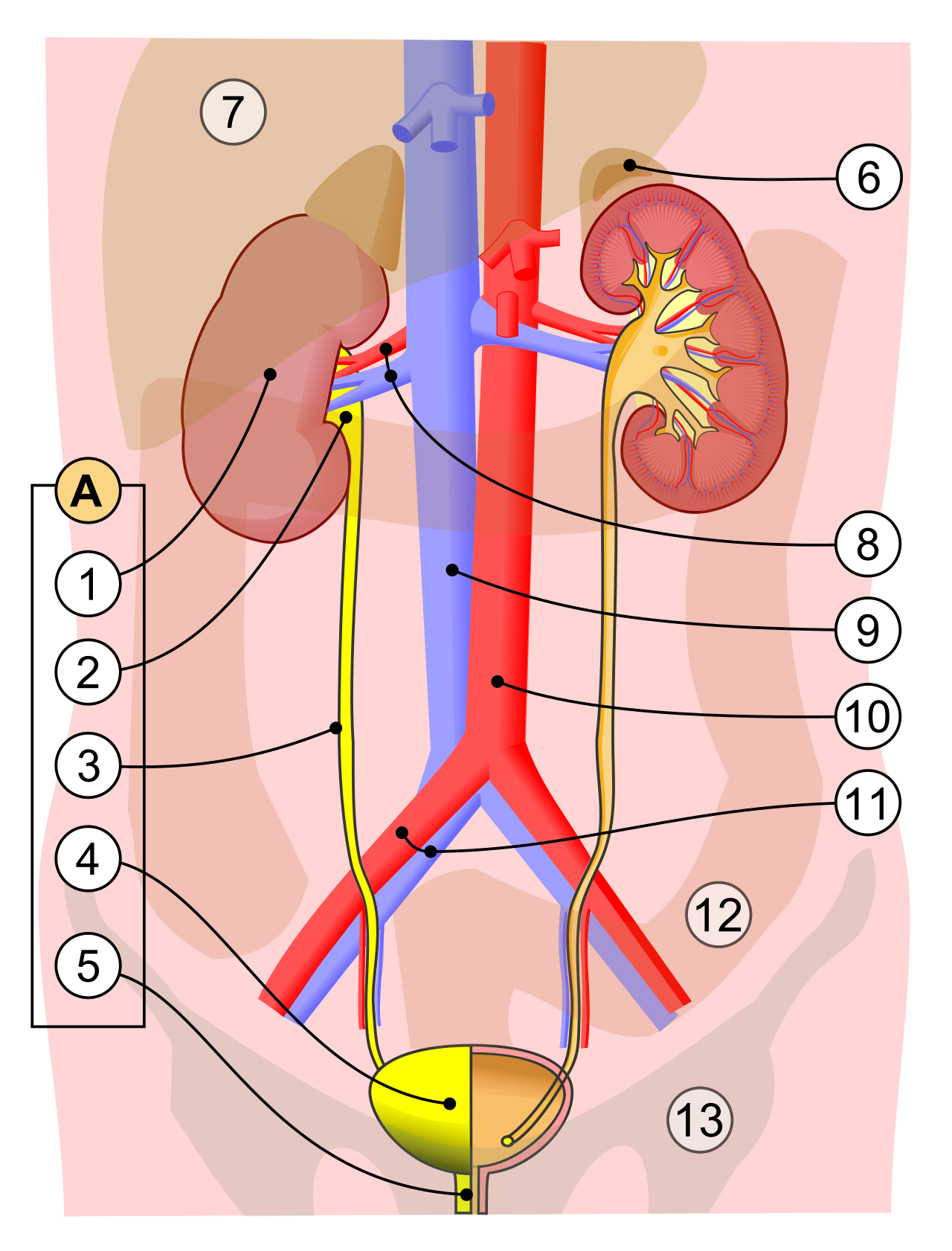
Patient information from the British Association of Urological Surgeons explains that injury can affect the bladder, ureters and kidneys. Symptoms can include urgency, frequency, pain and bleeding; advanced damage can obstruct drainage and threaten kidney function. An exact safe exposure threshold is not established. Some injury can persist, so improvement after reducing or stopping use should not be promised as complete recovery.

Why history and referral matter
The 2024 BAUS consensus describes a multidisciplinary approach involving urology and support for substance-use problems. It distinguishes inflammatory symptoms from structural and potentially lasting injury. This is expert consensus informed by literature, not a randomized trial establishing one treatment for every patient.
A careful history therefore matters. It can bring an otherwise hidden exposure into the assessment, while examination and appropriate investigations address other possible causes. The purpose of asking is to improve care, not to label the patient or dismiss symptoms as self-inflicted.
Using additional ketamine to relieve urinary pain can perpetuate the problem. The BAUS patient material emphasizes stopping non-medical use with appropriate support. That advice should be paired with a realistic route to help; dependence and ongoing pain may make an unsupported instruction difficult to act on.
Practice guidance for pharmacists
- Offer a private conversation and ask neutrally about prescribed medicines, non-prescribed substances, symptom timing and previous assessment.
- Refer persistent or recurrent urinary symptoms for clinical evaluation rather than repeatedly assuming an uncomplicated infection.
- Arrange prompt assessment for blood in the urine; severe pain, inability to pass urine or systemic illness needs urgent care.
- Explain that treating pain alone does not establish or resolve the cause, and avoid presenting extra ketamine as a solution.
- Where non-medical use is disclosed, offer a non-judgmental connection to local substance-use and medical services.
- For prescribed ketamine or esketamine, contact the treating clinician about new symptoms and the treatment plan; do not recommend an unsupervised regimen change.
A practical next step
Pharmacies can review their urinary-symptom triage process and referral contacts without turning every consultation into a screening accusation. The aim is to recognize a potentially important exposure, identify urgent symptoms and connect the patient with care. Neither an online checklist nor a news article can diagnose ketamine-associated urinary injury.
References
- Ketamine bladder: everything you need to know — The Pharmaceutical Journal; Emily Twinch, November 4, 2026; professional feature (accessed Nov 5, 2026)
- Ketamine — Centre for Addiction and Mental Health, Background education; accessed November 5, 2026 (accessed Nov 5, 2026)
- Ketamine bladder — British Association of Urological Surgeons, Patient information; published October 2025 (accessed Nov 5, 2026)
- British Association of Urological Surgeons Consensus statements on the management of ketamine uropathy — Belal and colleagues; BJU International / BAUS, 2024; DOI: 10.1111/bju.16404 (accessed Nov 5, 2026)
Discussion
0 commentsJoin the discussion. Anyone can read the comments. To comment, log in or create a free individual account.
No comments yet.